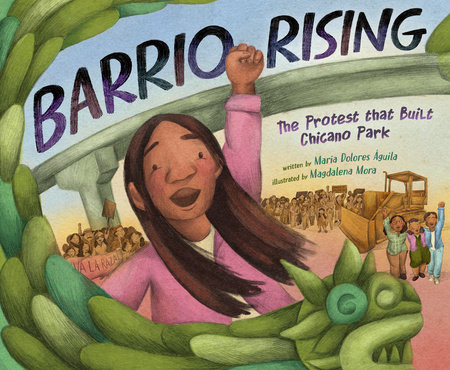
Barrio Rising: The Protest That Built Chicano Park by María Dolores Águila, illustrated by Magdalena Mora (Dial Books, 2024, 40 pages, grades 1-4). How a neighborhood banded together in 1970 to protest a new police station being built on land that had been promised them as a park, resulting in Chicano Park in San Diego, California.
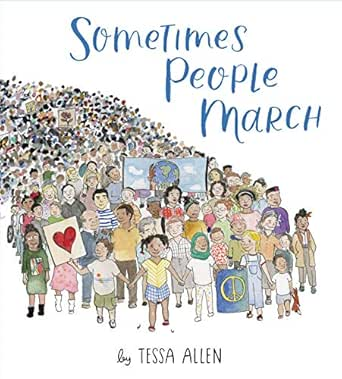
Sometimes People March by Tessa Allen (Balzer + Bray, 2020, 32 pages, ages 4-9). An introduction to why people march: to stand up for freedom or against injustice, to support people they love, or when they notice the need for change. Includes two pages entitled “Movements, Marches & Key Figures in the Art” that tell the historical events that correspond to the illustrations.
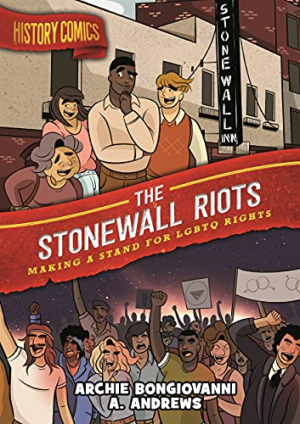
The Stonewall Riots: Making a Stand for LGBTQ Rights by Archie Bongiovanni, illustrated by A. Andrews (First Second, 2022, 128 pages, grades 4-8). In this History Comic entry, Natalia’s abuela takes teen Natalia and her friends Jax and Rashad back in time to the night of the first Stonewall protest in 1969 New York City.
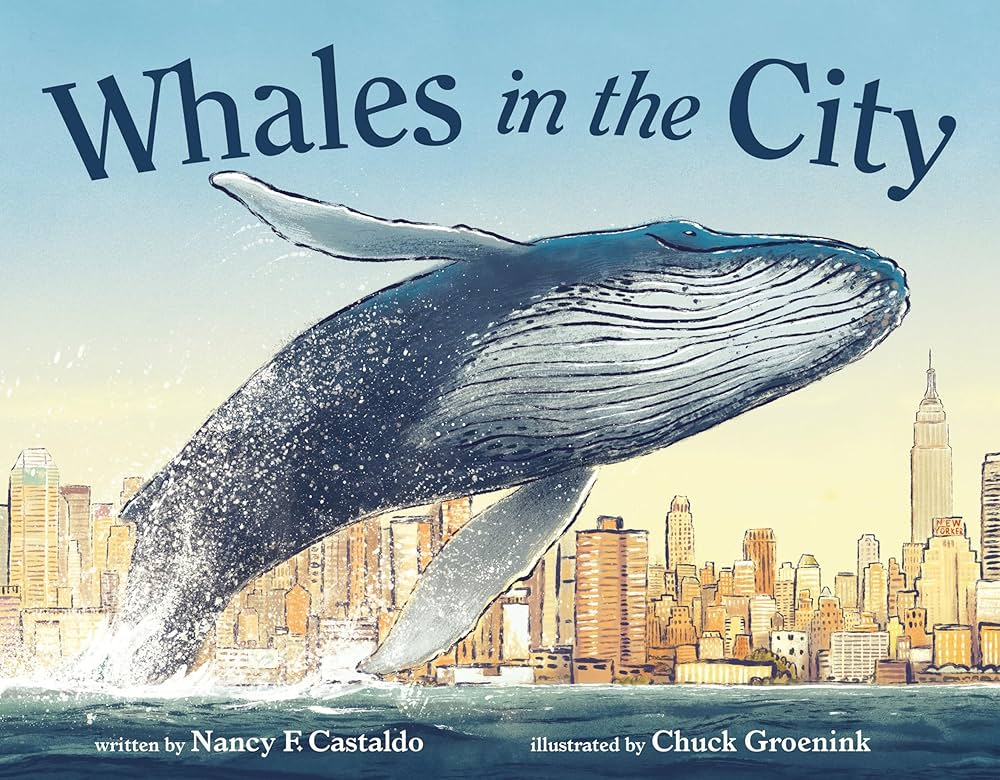
Whales in the City by Nancy F. Castaldo, illustrated by Chuck Groenik (Farrar, Straus and Giroux, 40 pages, grades K-4. Whales narrate the first half of this book, explaining how they were slowly driven out of the Hudson River by pollution. Humans take on the story from there, telling how they had finally had enough and started demanding clean water around the city, resulting in the eventual return of whales a century after they disappeared.
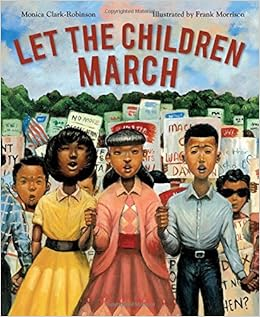
Let the Children March by Monica Clark-Robinson; illustrated by Frank Morrison (Houghton Mifflin Harcourt, 2018, 40 pages, grades 1-4). A girl tells about her participation in the Birmingham Children’s March of 1963, which includes attacks by dogs and fire hoses and being sent to jail, but which ultimately results in news coverage around the world and real changes in Birmingham, Alabama.
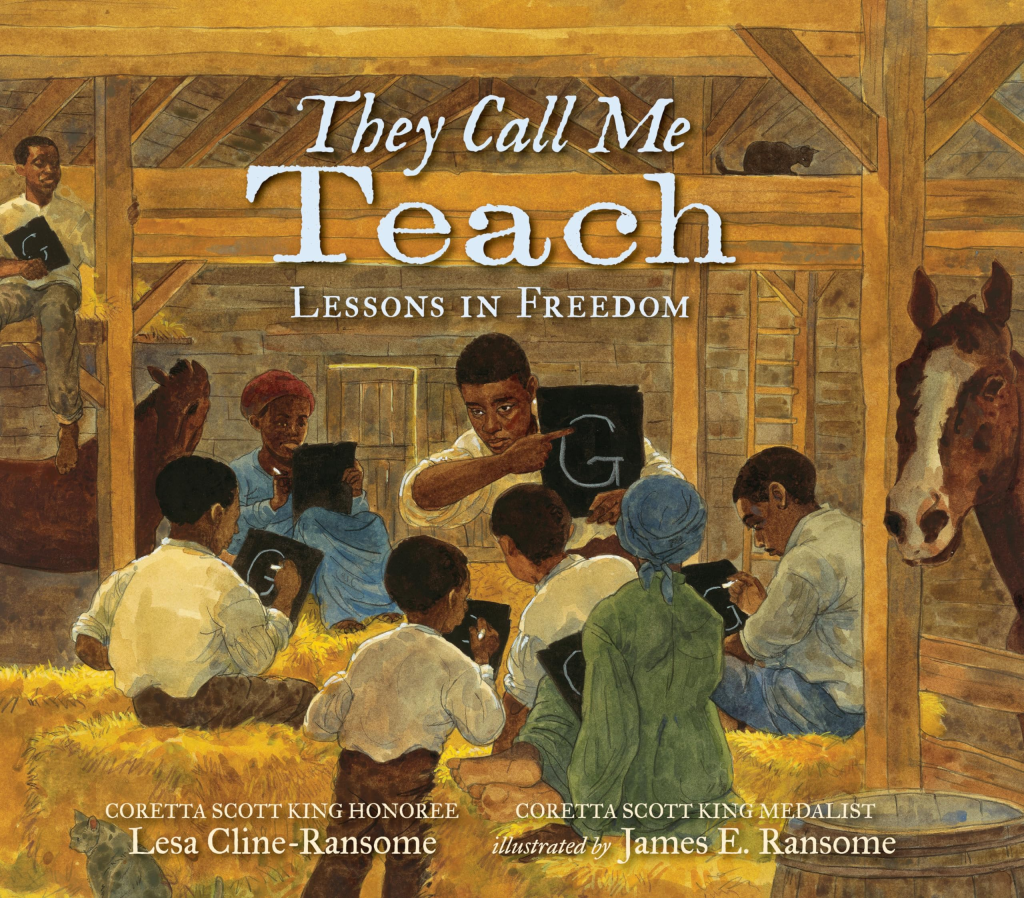
They Call Me Teach: Lessons in Freedom by Lesa Cline-Ransome, illustrated by James E. Ransome (Candlewick, 2024, 40 pages, grades 1-5). A young enslaved man known as Teach, due to his abilities to read and write that he learned growing up with the master’s son, risks severe punishment by secretly helping others with his literacy skills.
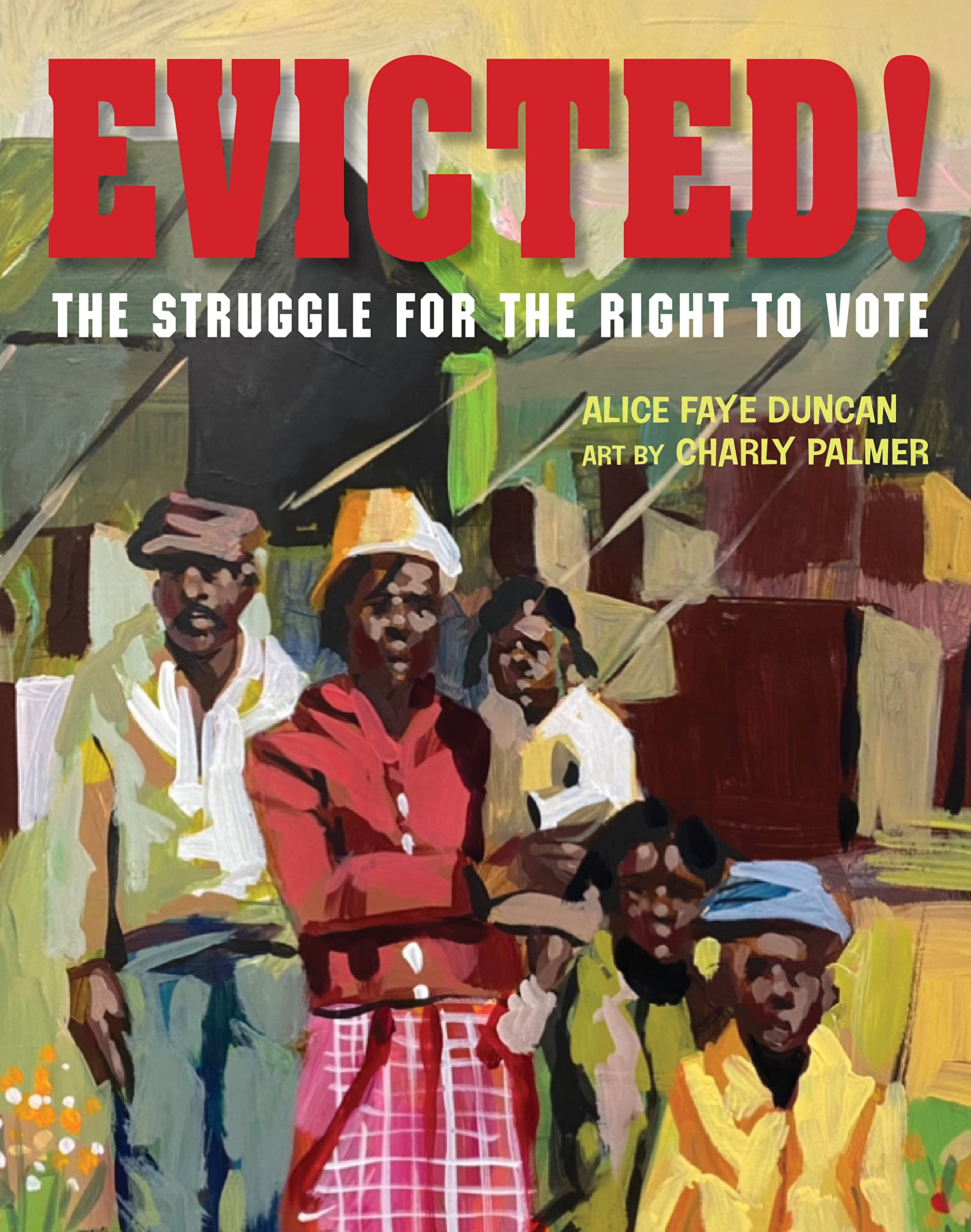
Evicted! The Struggle for the Right to Vote by Alice Faye Duncan, illustrated by Charly Palmer (Calkins Creek, 2022, 64 pages; grades 5-8). The story of a voting rights drive in Fayette County, Tennessee that resulted in the eviction of many Black activists. They didn’t give up, setting up a tent city on land owned by a Black man and helping to work for the Voting Rights Act of 1965
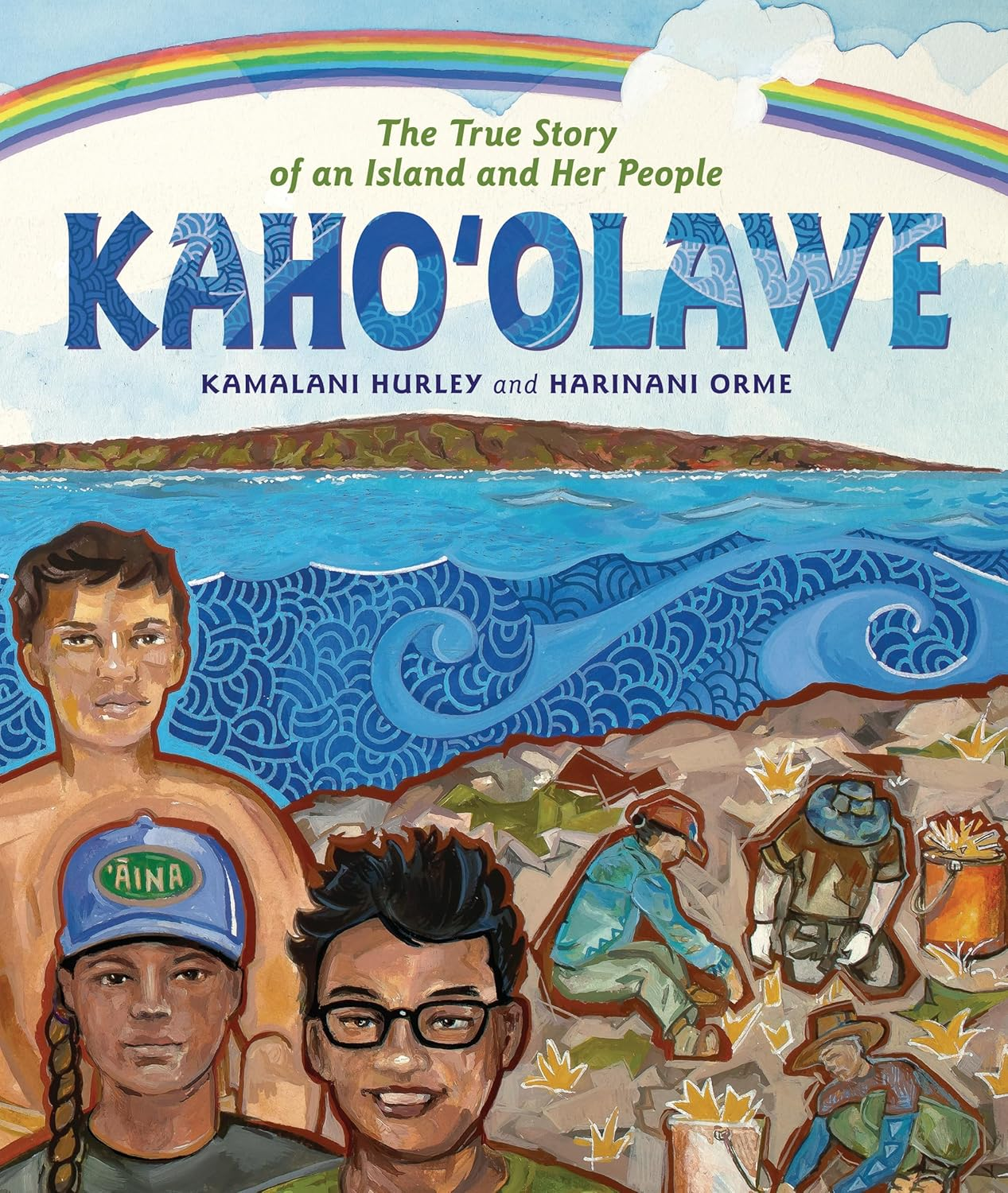
Kaho’olawe: The True Story of an Island and Her People by Kamalani Hurley and Harinani Orme (Millbrook Press, 2025, 40 pages, grades 2-5). How the smallest of the Hawaiian islands was destroyed by the U.S. military until activists in the 1970’s began a campaign to restore it to Hawaiian control and repair the environmental damage, efforts that are still ongoing today.
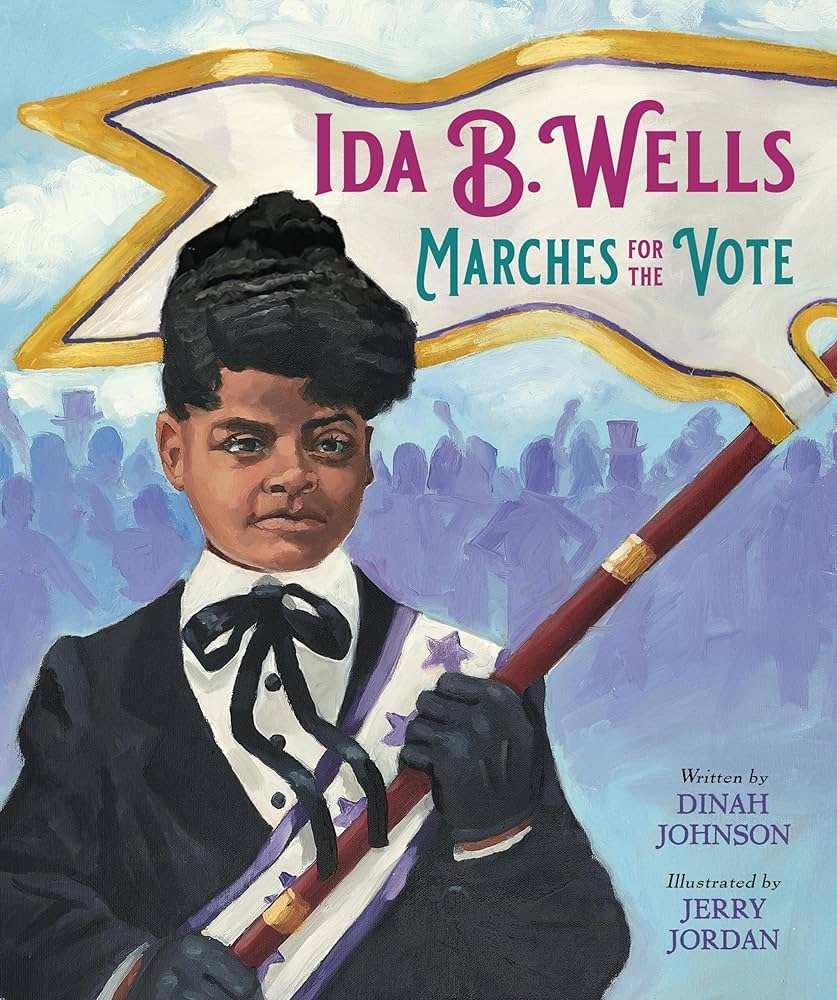
Ida B. Wells Marches for the Vote by Dinah Johnson, illustrated by Jerry Jordan (Christy Ottaviano Books, 2024, 48 pages, grades 1-5). How Ida B. Wells defied white organizers to take her place with the Illinois delegation in the Washington, D.C. suffragists’ march of 1913.
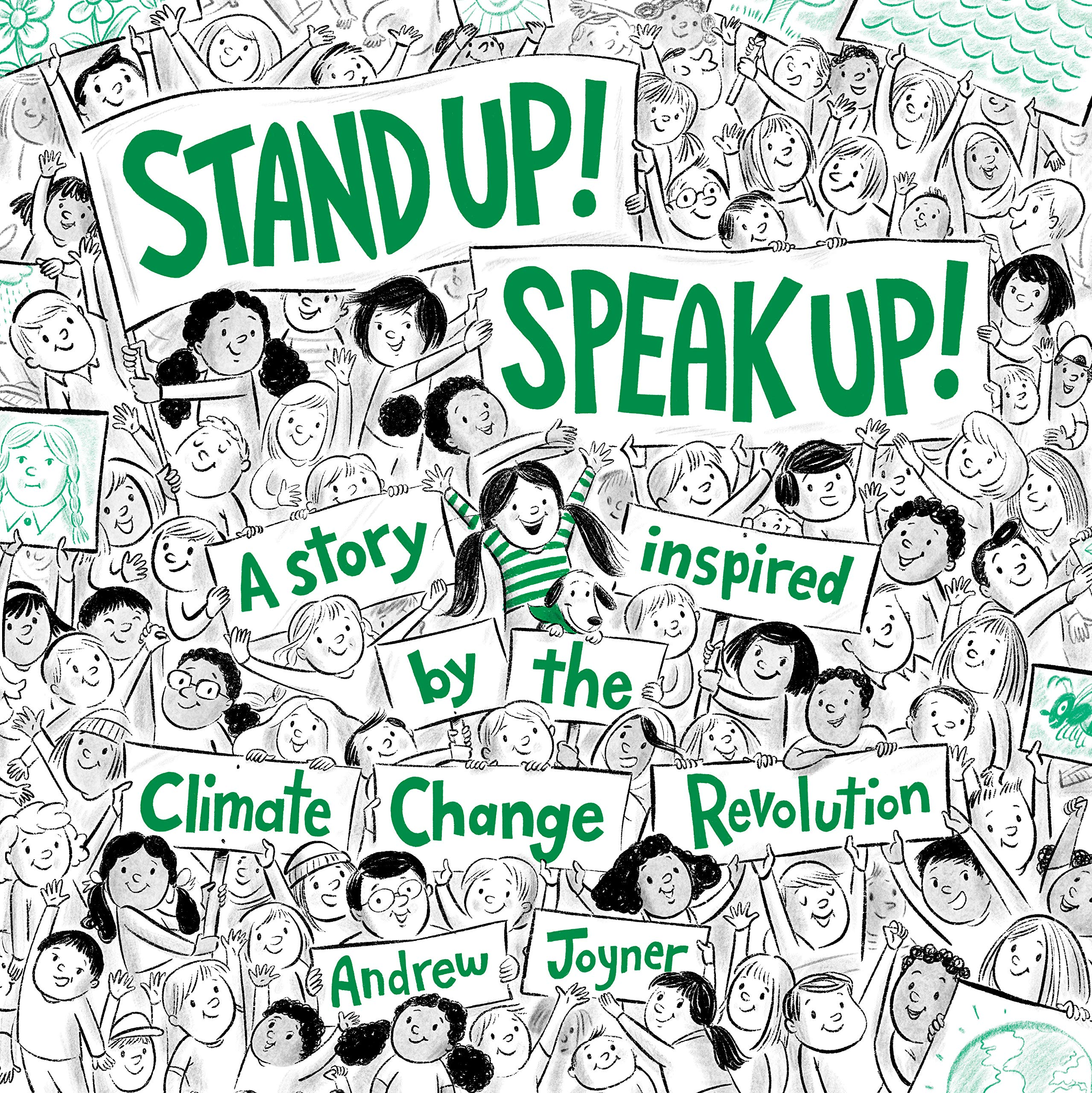
Stand Up! Speak Up! A Story Inspired by the Climate Change Revolution by Andrew Joyner (Schwartz and Wade, 2020, 40 pages, ages 4-9). Each sentence in this book has just two words: Wake up. Dress up. Meet up. The girl in the story goes to a rally about climate change, where she’s discouraged at first by what she hears, but eventually figures out how to continue her activism in a way that empowers her.
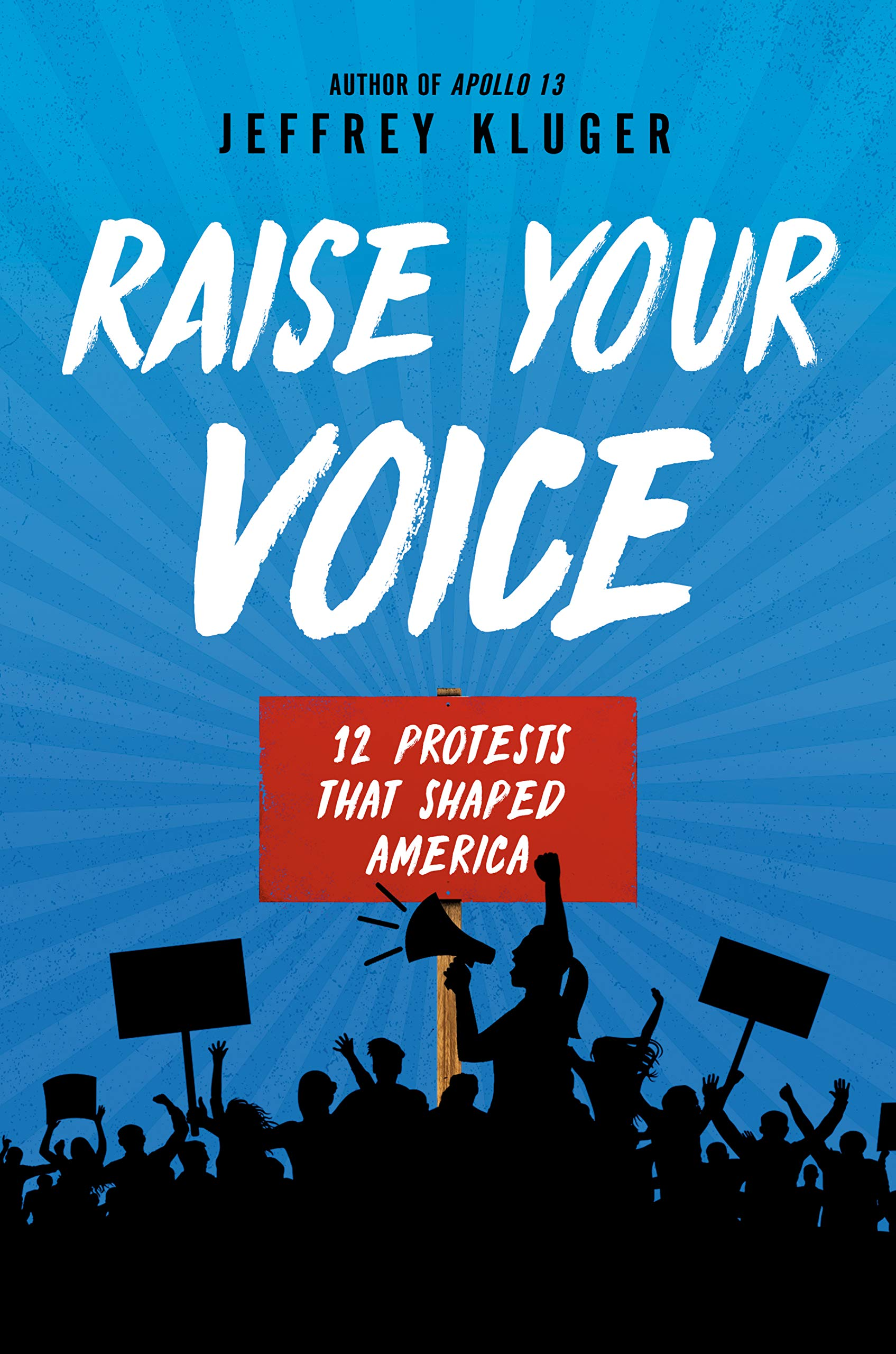
Raise Your Voice: 12 Protests That Shaped America by Jeffrey Kluger (Philomel Books, 2020, 224 pages, grades 6 and up). Twelve chapters cover protests organized by ordinary people standing up against the established order, from the Boston Tea Party to the Women’s March, with outcomes that they did and didn’t achieve.
The Youngest Marcher: The Story of Audrey Faye Hendricks, A Young Civil Rights Activist by Cynthia Levinson, illustrated by Vanessa Brantley Newton (Atheneum Book for Young Readers, 2017, 40 pages, grades 1-5). The story of Audrey Faye Hendricks, a 9-year-old girl who was jailed for participating in the Birmingham Children’s March of 1963.
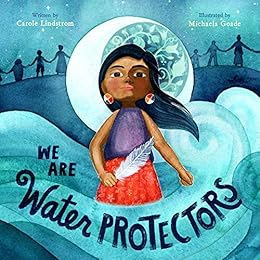
We Are Water Protectors by Carole Lindstrom, illustrated by Michaela Goade (Roaring Brook Press, 2020, 40 pages, grades K-3). An Ojibwe girl tells why water is sacred to her people as she is moved to protect the water by participating in the protest at 2016 Standing Rock protest against the Dakota Access Pipeline in North Dakota.
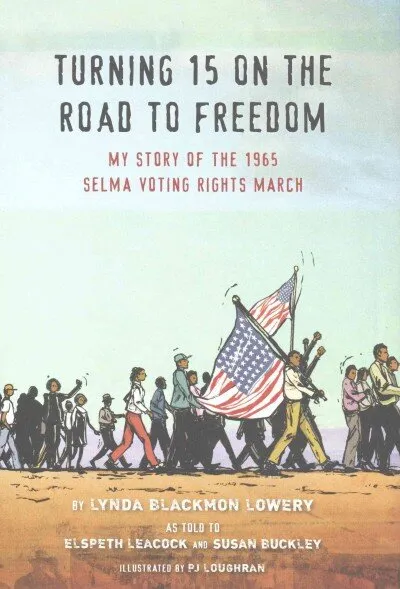
Turning 15 on the Road to Freedom: My Story of the 1965 Selma Voting Rights March by Lynda Blackmon Lowery, as told to Elspeth Leacock and Susan Buckley, illustrated by PJ Loughran (Dial Books, 2015, 144 pages, grades 7 and up). Lynda Blackmon Lowery tells of her participation in the Civil Rights Movement, culminating in the Selma to Montgomery March in 1965.
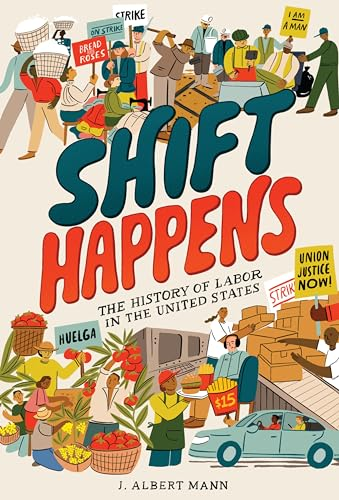
Shift Happens: The History of Labor in the United States by J. Albert Mann (HarperCollins, 416 pages, grades 8-12). The difficult struggle for fair wages and decent hours that has been going on since the earliest days of American history.
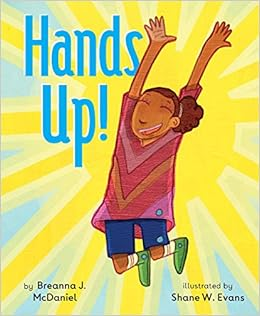
Hands Up! By Breanna J. McDaniel, illustrated by Shane W. Evan (Dial Books, 2019, 32 pages, ages 4-8). The expression “Hands Up!” is often considered a demand for surrender, but the girl in this story shows how putting her hands up empowers her and her community.
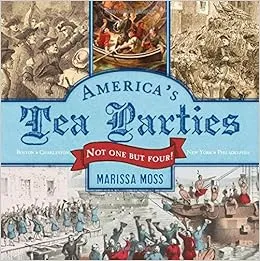
America’s Tea Parties: Not One But Four! Boston, Charleston, New York, Philadelphia by Marissa Moss (Abrams, 2016, 48 pages, grades 3-7). While the Boston Tea Party of 1773 is the most well-known, cities in other colonies followed Boston’s lead and staged their own tea parties over the course of the following year.
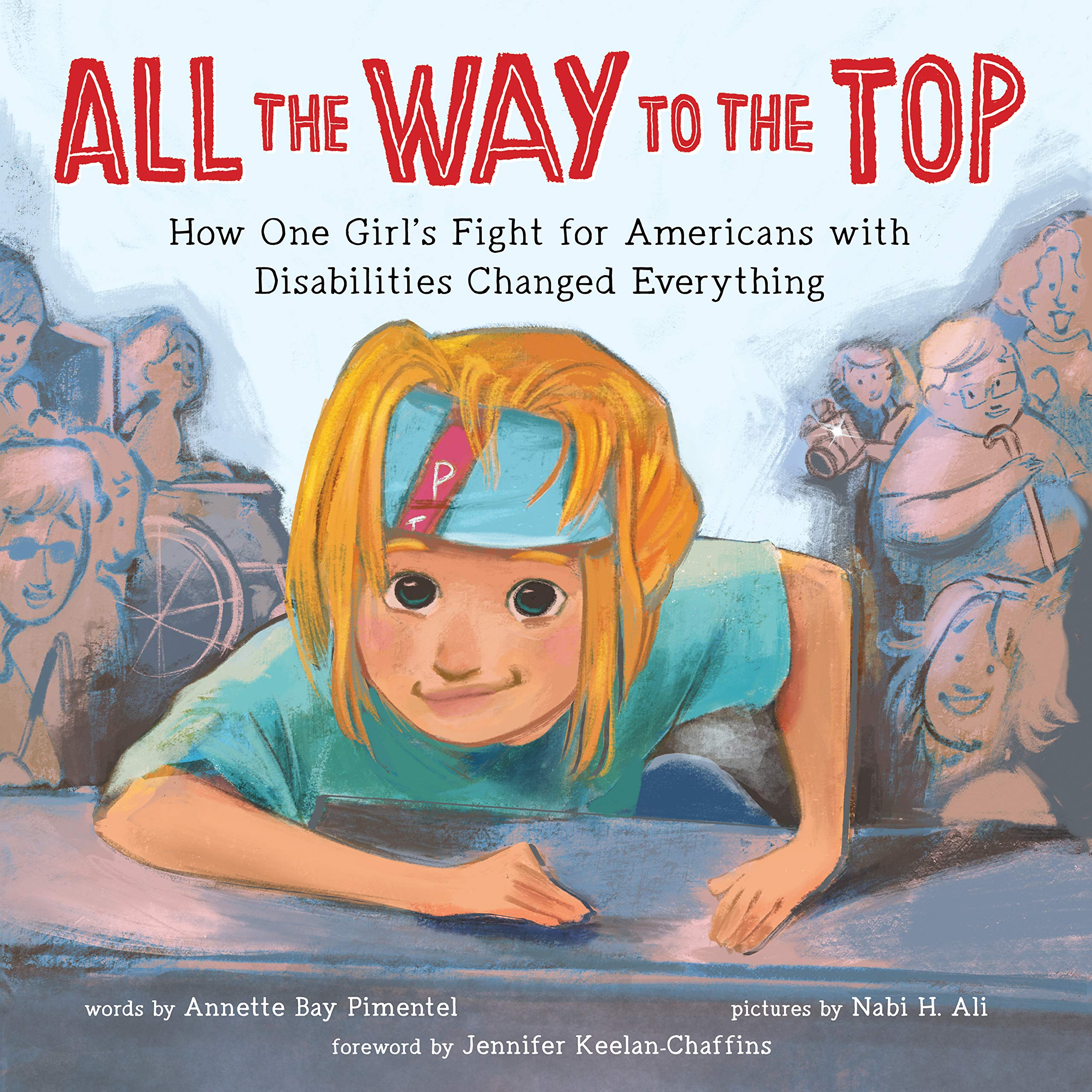
All the Way to the Top: How One Girl’s Fight for Americans with Disabilities Changed Everything by Annette Bay Pimentel, pictures by Nabi H. Ali, foreword by Jennifer Keelan-Chaffins (Sourcebooks, 2020, 32 pages, grades K-4). The story of 8-year-old Jennifer Keelan-Chaffins, born with cerebral palsy, who became an activist for disability rights and joined the Capitol Crawl in 1990 to bring attention to the Americans With Disabilities Act.
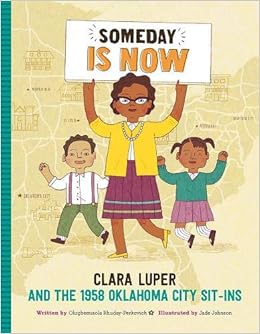
Someday Is Now: Clara Luper and the 1958 Oklahoma City Sit-Ins by Olugbemisola Rhuday-Perkovich, illustrated by Jade Johnson (Seagrass Press, 2018, 32 pages, grades 2-5). Inspired by Martin Luther King, Jr., teacher Clara Luper and her students led a difficult sit-in to desegregate the lunch counter at Katz Drugstore. Their activism led to Katz desegregating counters in Oklahoma, Kansas, Missouri, and Iowa.
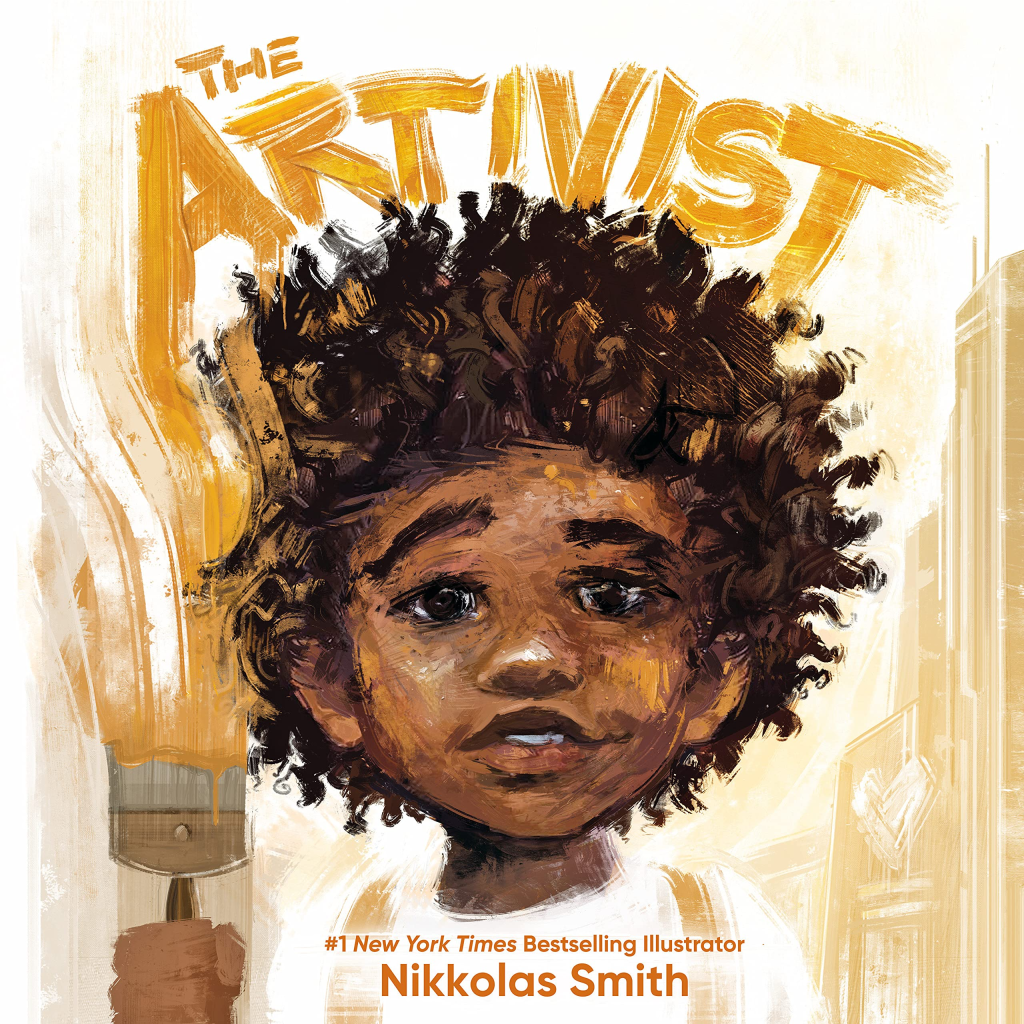
The Artivist by Nikkolas Smith (Kokila, 2023, 40 pages, ages 4-8). Nikkolas Smith draws on his experiences as an artist and an activist to create a narrator who calls himself an artivist and encourages readers to explore their own artivist natures.
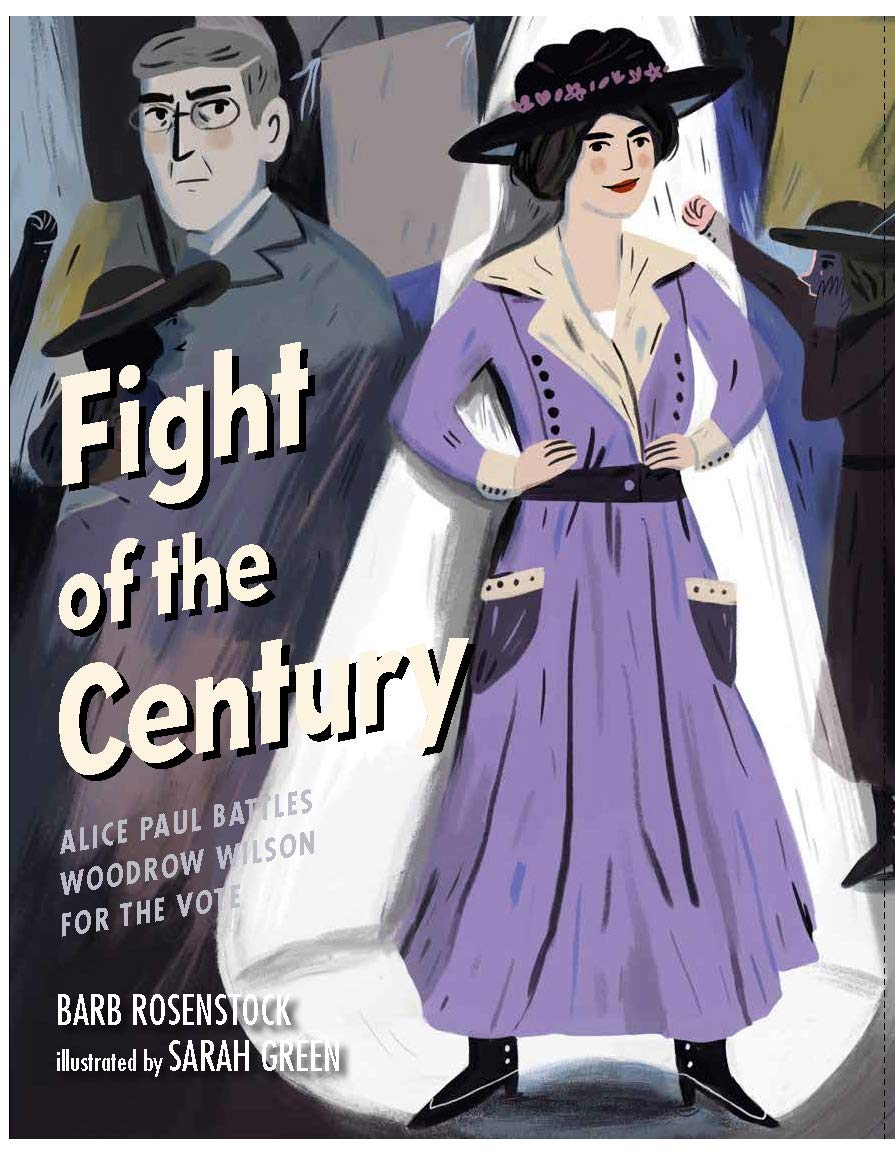
Fight of the Century: Alice Paul Battles Woodrow Wilson for the Vote by Barb Rosenstock, illustrated by Sarah Green (Calkins Creek, 40 pages, grades 2-5). Alice Paul and other suffragists protested silently in front of the White House for months, spent time in jail, and staged a hunger strike to finally get President Woodrow Wilson to support an amendment in 1918 giving women the right to vote.
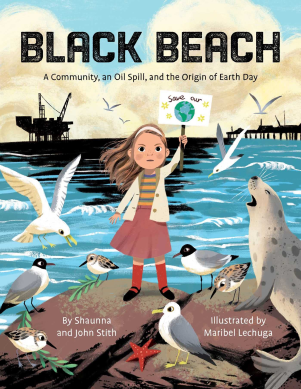
Black Beach: A Community, an Oil Spill, and the Origin of Earth Day by Shaunna and John Stith, illustrated by Maribel Lechuga (little bee books, 2023, 40 pages, ages 4-8). Sam tells the story of a 1969 oil spill at her beloved beach in Santa Barbara, California that inspired organizers to celebrate the first Earth Day in 1970.
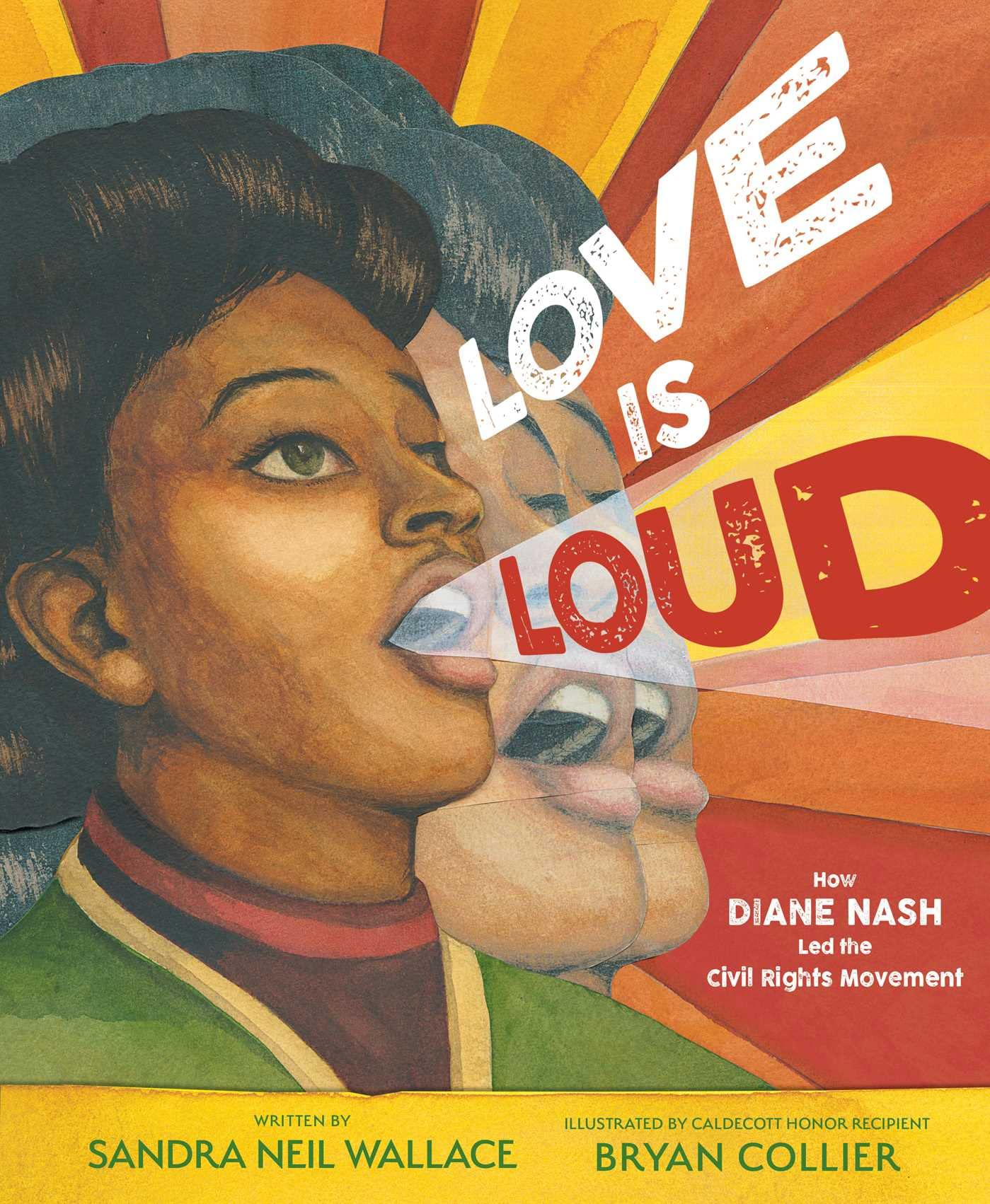
Love Is Loud: How Diane Nash Led the Civil Rights Movement by Sandra Neil Wallace, illustrated by Bryan Collier (Simon and Schuster/Paula Wiseman Books, 2023, 48 pages, grades 2-6). Diane Nash began her civil rights work when she led the desegregation protests of Nashville’s lunch counters as a college student, went on to work with Martin Luther King, Jr., and continues her activism today.
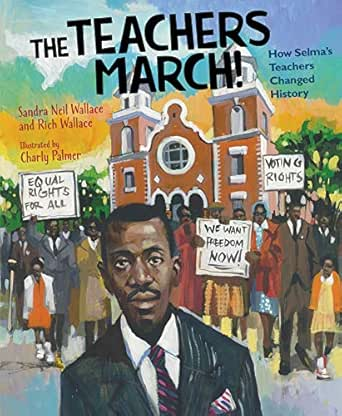
The Teachers March! How Selma’s Teachers Changed History by Sandra Neil Wallace and Rich Wallace, illustrated by Charly Palmer (Calkins Creek, 2020, 44 pages, grades 2-6). When Selma’s teachers marched to the courthouse to demand the right to vote in 1965, they put Selma, Alabama on the map and made it an important part of the Civil Rights Movement.
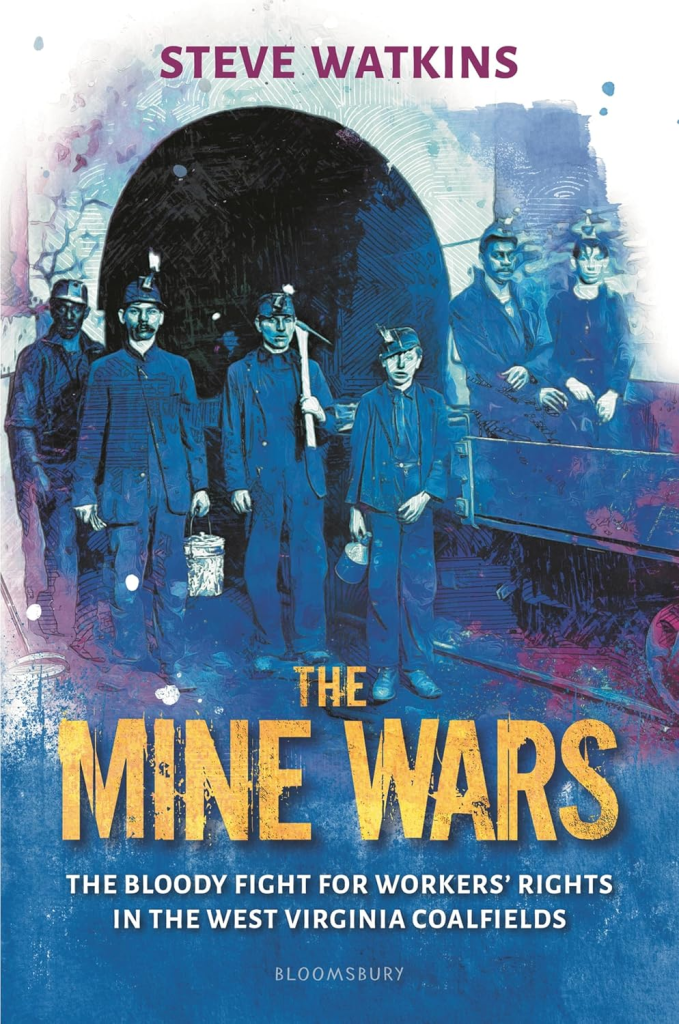
The Mine Wars: The Bloody Fight for Workers’ Rights in the West Virginia Coalfields by Steve Watkins (Bloomsbury Children’s Books, 272 pages, grades 6-10). The story of coal miners’ struggle for better working conditions in the early 1920’s that often turned violent as mine owners fought back to preserve their profits.
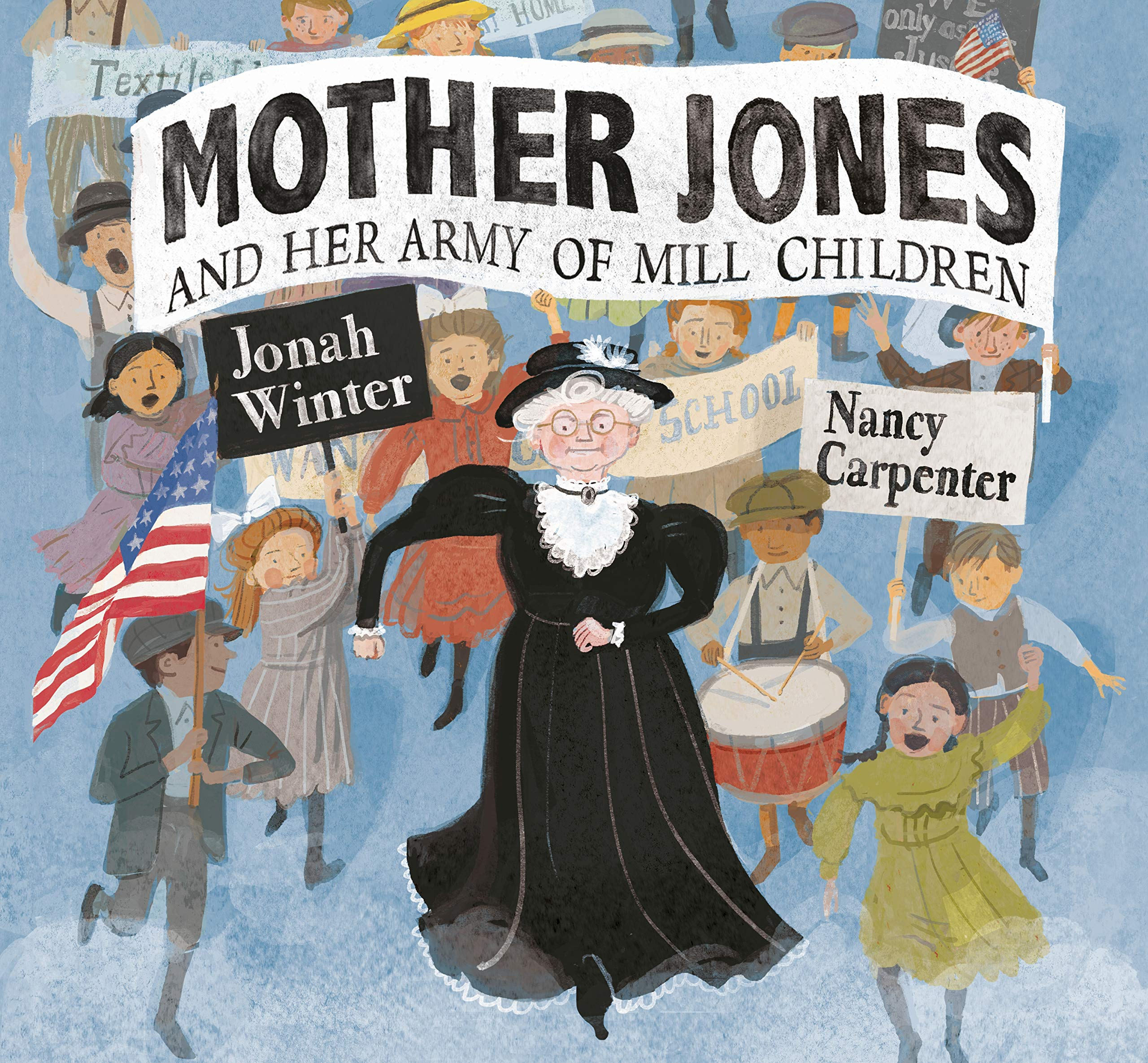
Mother Jones and Her Army of Children by Jonah Winter, illustrated by Nancy Carpenter (Schwartz and Wade, 2020, 40 pages, grades 2-5). Mother Jones tells her story, leading up to the 1903 march she led with 100 children from the factories of Philadelphia. They marched to New York City, then to President Theodore Roosevelt’s Long Island summer home to bring attention to child labor laws.
 The Resistance Files