Having now lived through both the Bicentennial and Semiquincentennial (had to look this up; it doesn’t roll off the tongue quite like Bicentennial), I’ve found myself reflecting on the American Revolution and what I was taught about it and the Founding Fathers in school. That, the explorers, and the colonial period were pretty much the core of my elementary social studies education, and there wasn’t a lot added in middle school.
When I look back on what I learned, it seems like a collection of people (mostly men) and dramatic events like the Boston Massacre, the Boston Tea Party, and Lexington and Concord. The Patriots were good, the British and Loyalists were bad, and in the end the scrappy underdogs triumphed and created a democracy.
Half a century later, I’ve been digging a little deeper. The era of the American Revolution has never seemed particularly interesting to me, but it occurred to me that maybe it’s because of how I learned about it. I haven’t watched Ken Burns’s documentary, but I’ve heard that he made it in the hopes of uniting the country. This seems ironic to me, since it’s about a conflict that was hugely divisive, when 40-45% of the population sympathized with the Patriots, 10-20% considered themselves Loyalists, and the rest were undecided.
So let’s take a look at two perhaps lesser-known men of the Revolution. You may know both of them by a single sentence or a single word…but therein lies the danger, because of course there is more to each of them than that descriptor. As with so much in history, when you scratch the surface, you realize that any person or event is complex and has multiple things that are true at the same time–and that often contradict each other.
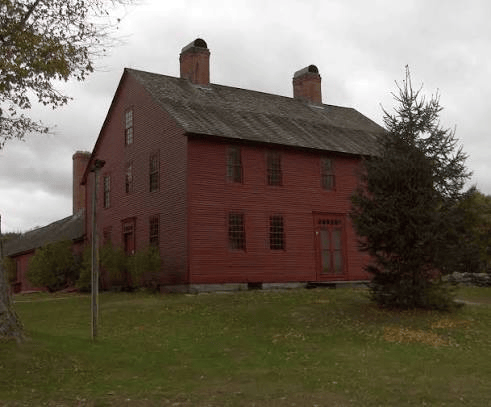
Nathan Hale Homestead
You probably know Nathan Hale for his final words, “I only regret that I have but one life to lose for my country.” He’s the official state hero of the state of Connecticut, having been executed on September 22, 1776, after the British caught him spying. I visited the Nathan Hale Homestead in Coventry, Connecticut, and even the tour guide there admitted that he didn’t have a great record as a spy.
Hale was a member of the newly created Knowlton’s Rangers, the first American intelligence-gathering organization. Just turned 21, Hale was the sole volunteer to answer George Washington’s call for a spy to travel to Manhattan to try to find out where and when the British were planning to invade. He disguised himself as a Dutch school master looking to find work.
Immediately upon landing in New York, Hale was spotted by Robert Rogers, a notorious double agent who had fought in the French and Indian War and was known to side with both the Americans and the British. At the moment, he was working for the British, and he recognized Hale as a spy right away. Engaging Hale in conversation at a tavern, Rogers posed as an American spy and got Nathan to admit that he was one as well. The game was up, and Nathan Hale was arrested and executed.
Did he really utter that famous line before being hanged? Historians have debated that for all these years, and we will never know, but that and the fact that he was young, handsome, and courageously volunteered for a mission that no one else was willing to take on has made him a war hero, even though he didn’t get a chance to do much for the cause.
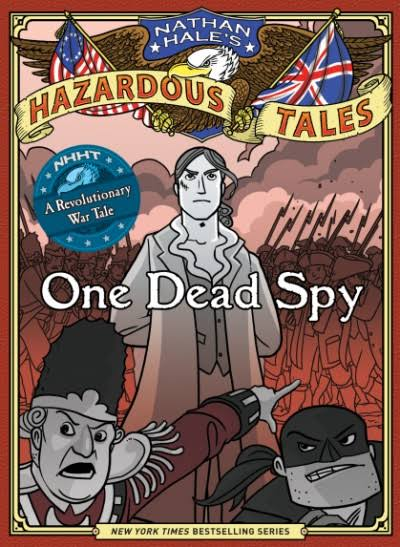
If you like touring historic homes from this era, the Hale Homestead is a fun one to tour, but you won’t learn much about Nathan’s war experiences. For that, I recommend One Dead Spy, the original book in the Nathan Hale’s Hazardous Tales graphic history series by a different, more contemporary Nathan Hale. Each story is told by Nathan Hale to his executioners as he tries to distract them from their task. Another good one about the American Revolution is Lafayette!, which tells the story of the young French Marquis de Lafayette.
And now for spy number two. Before this summer, my knowledge of Benedict Arnold began and ended with the Brady Bunch, season 4 episode 12, when Peter endures the humiliation of playing Benedict Arnold in the class play. There’s also an episode called “My Sister, Benedict Arnold,” where Greg thinks Marcia has betrayed him. Clearly, the name Benedict Arnold has become shorthand for a traitor. But is there more to the story?
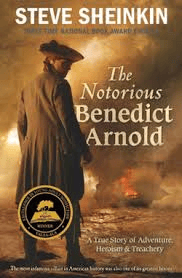
To answer that question, I recommend reading Steve Sheinkin’s excellent YA nonfiction book The Notorious Benedict Arnold: A True Story of Adventure, Heroism and Treachery. Notice how “treachery” is the third and final word in that subtitle. Before switching sides, Arnold was a bold and successful general for the Continental Army, one of two leaders at the Battle of Saratoga in 1777 which ended with the first-ever surrender of a British field army and convinced the French to join the American side.
Arnold was severely injured in that battle, leaving his left leg significantly shorter than his right, a painful disability that hindered him for the rest of his life. He appears to have had a short temper and a thin skin and often felt he was passed over for promotions and suffered other slights, whether real or imagined. He lost a good deal of money at various points during the Revolution, and all of these factors led to him feeling disillusioned about the cause.
In 1779, Arnold married 18-year-old Peggy Shippen, the daughter of Loyalists in Philadelphia, and that association seems to have been the final factor in his betrayal. The next year, as commander at West Point, his treason was discovered by Washington. His fate was not like Nathan Hale’s, however. Benedict Arnold became a general in the British army and lived on for many years after the war in Britain and Canada.
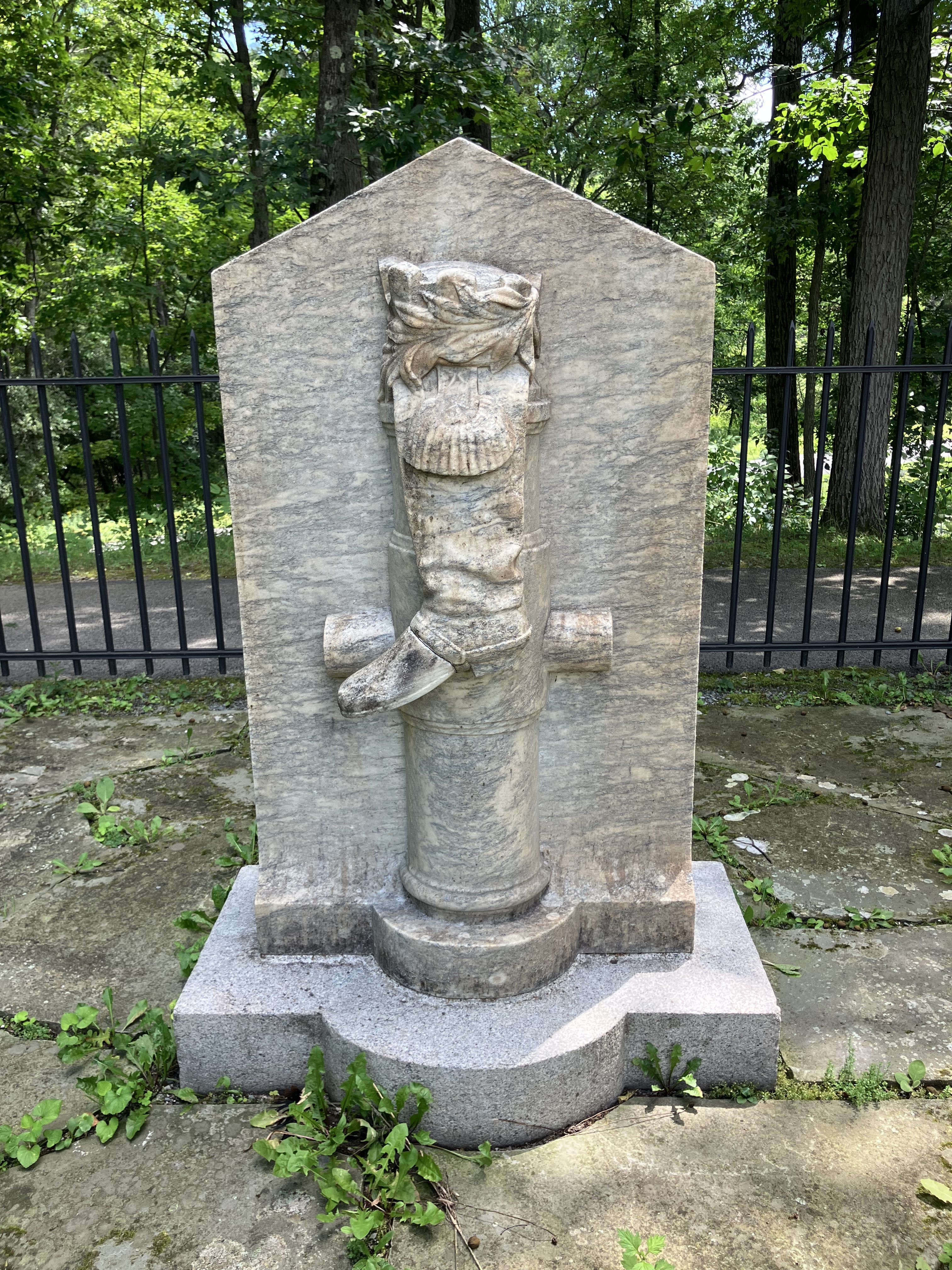
I found The Boot!
Arnold has become the American Revolutionary equivalent of Lord Voldemort, he who shall not be named. Probably the most famous memorial to him is the Boot Monument at Saratoga National Historic Park, which carries the inscription, “In memory of the most brilliant soldier of the Continental army, who was desperately wounded on this spot, winning for his countrymen the decisive battle of the American Revolution, and for himself the rank of Major General.” A plaque at the United States Military Academy at West Point simply says “Major General, born 1740” amongst other plaques commemorating American Revolution generals.
I visited Saratoga to learn more about Arnold and to see the boot, but I really only succeeded in the latter mission. The video at the visitors’ center mentions him a few times, including his courageous conduct in the battle, but ends with a brief comment about his injury, not elaborating on what it cost him for the rest of his life. Reading Sheinkin’s book helped me to better understand why Arnold switched sides in the American Revolution, and I believe that process may have begun at this battle. It would have been interesting to dig into that more at the park, either in the video or the exhibits.
So there you have it: a courageous man who made a mistake on his first spy mission, was executed, and lives on as a hero, and another courageous man who helped turned the tide of the entire Revolution and is remembered only as a traitor. To quote the Bicentennial Moments of my childhood, “and that’s the way it was.” Or wasn’t. Learning more about the reality, instead of the mythology, of both Hale and Arnold definitely made them both more sympathetic and relatable to me than what I saw in my history books.
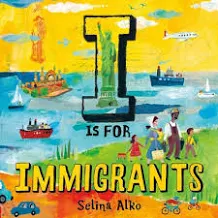
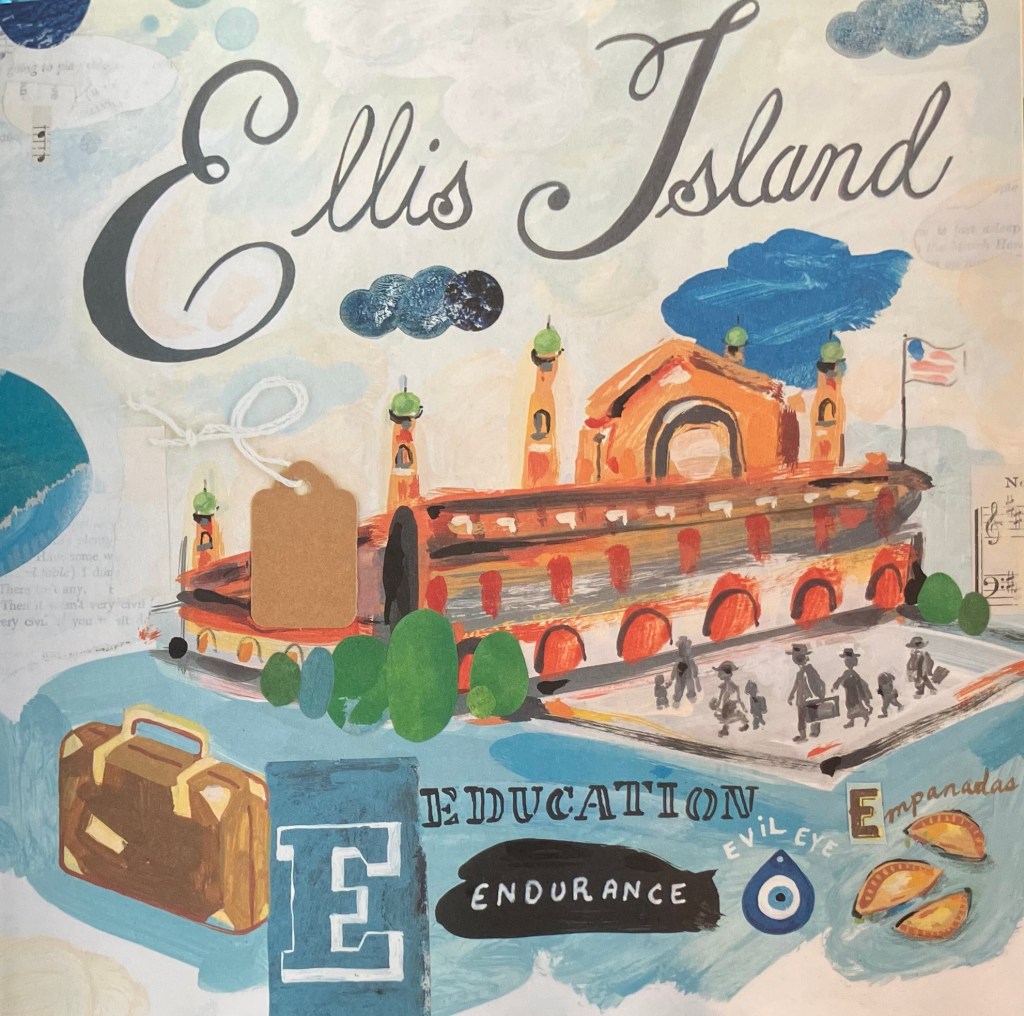
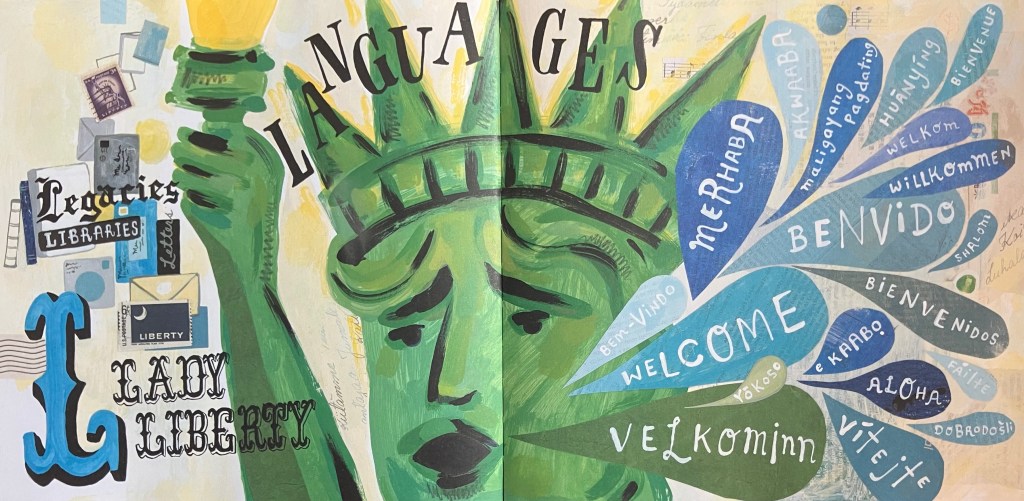
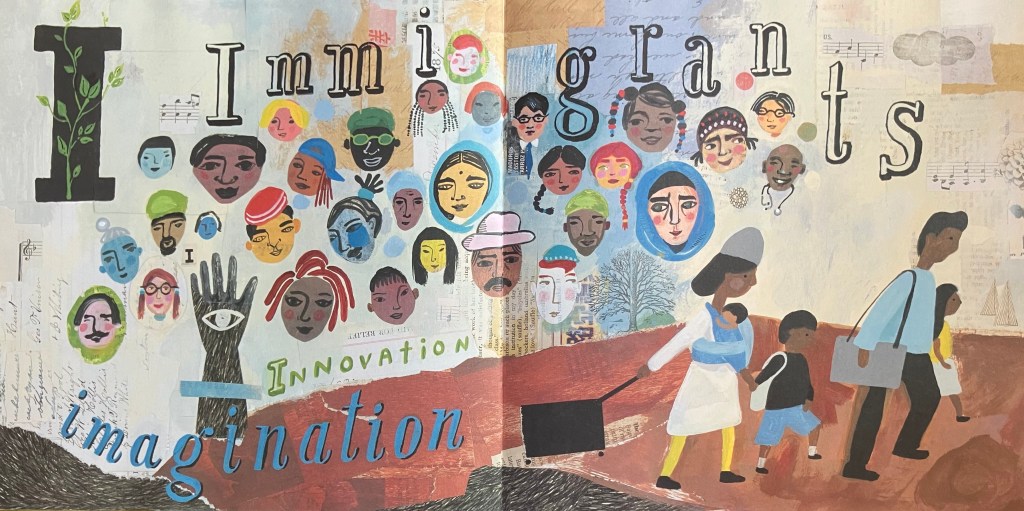
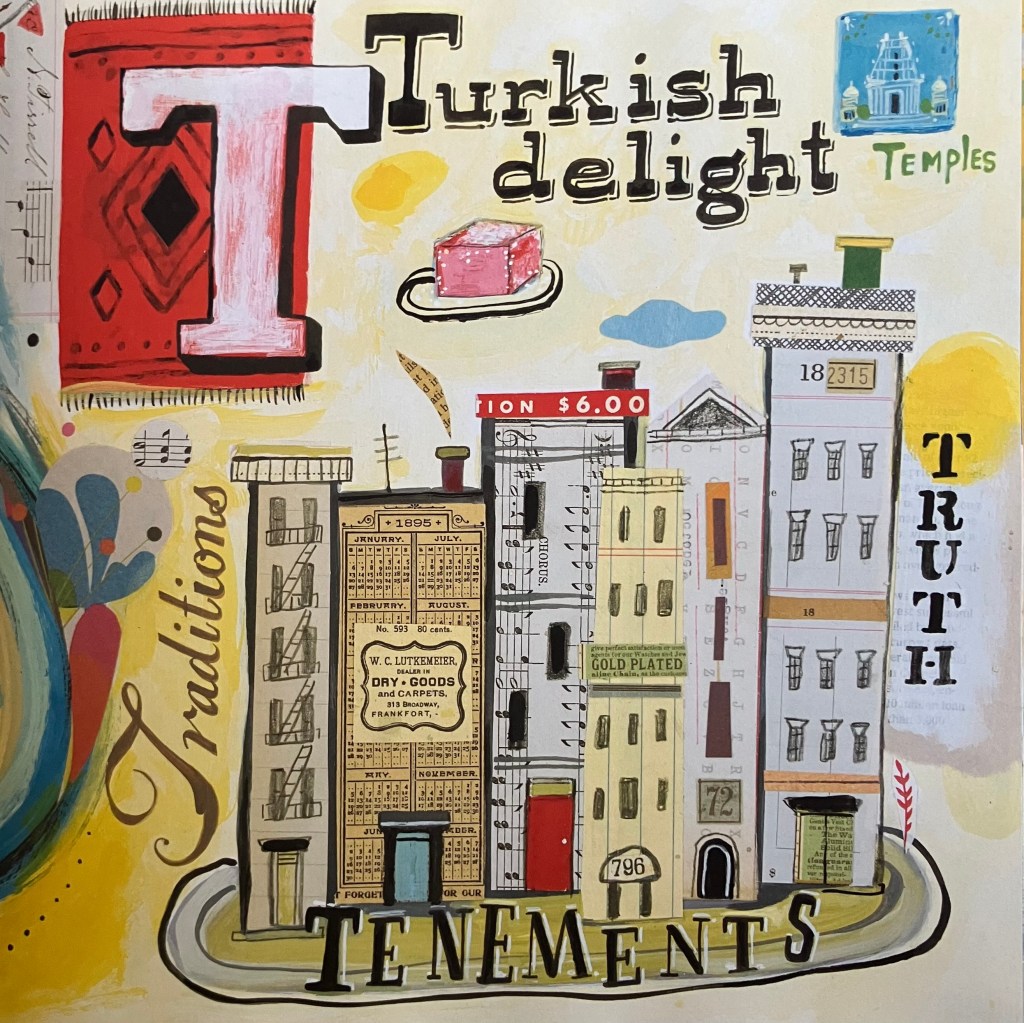
Last year I used the book H Is for Harlem to inspire my travels through Harlem. When I returned to New York City this year my guide was I Is for Immigrants by Selina Alko (Henry Holt and Co., 2021, 40 pages). This book features collage-style illustrations of A to Z immigration-related places and concepts. Unlike the Harlem book, which gave me a list of specific places to visit, this one inspired me to make my own choices about where to go.
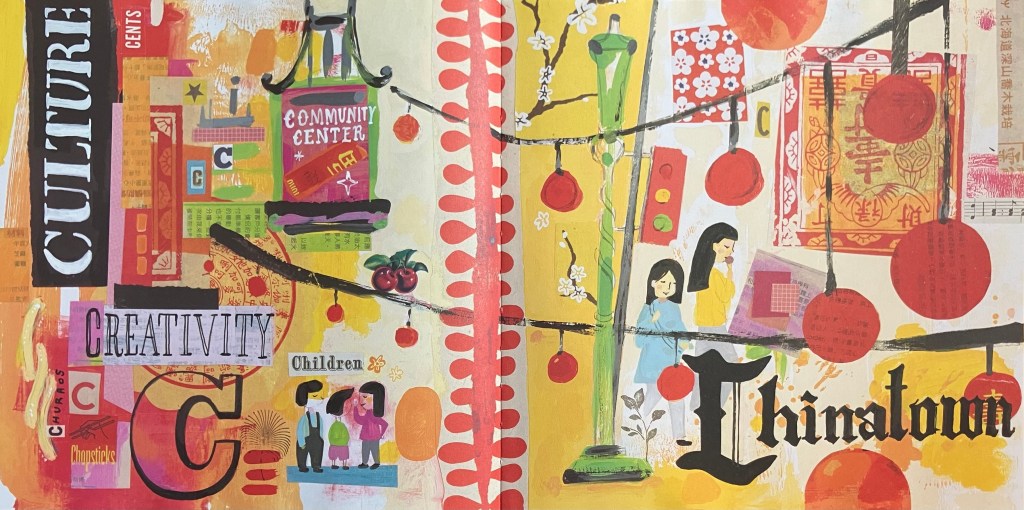
C Is for Chinatown
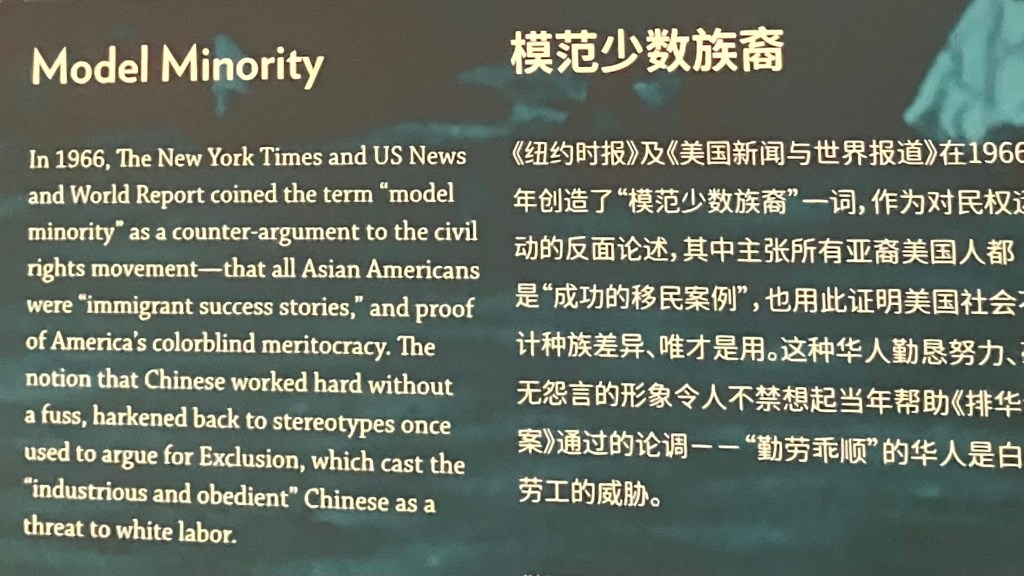
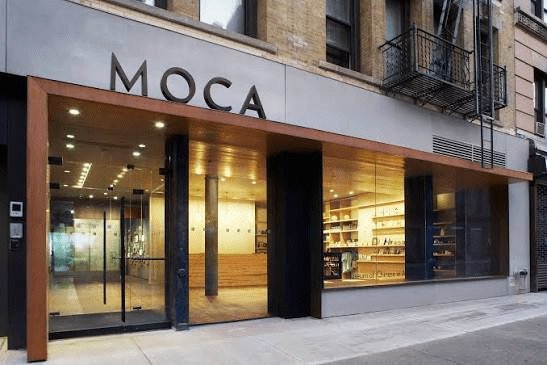
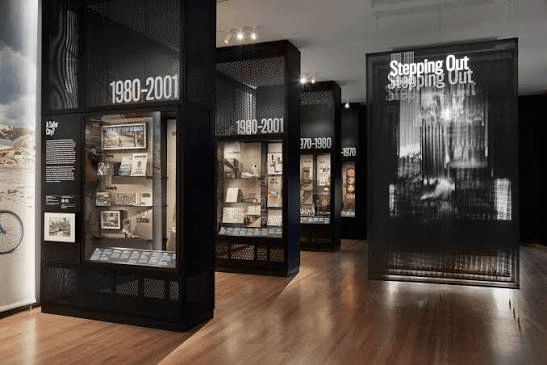
I learned about the Museum of Chinese in America after visiting the Tenement Museum, which I’ll get to later on. I tend to associate tenements with the turn of the century and eastern Europeans, so I was surprised that one of the apartments we toured was occupied by the Wong family who immigrated from China in the early 1960’s and lived in their apartment from 1968 until 2014. The MOCA tells the story of Chinese immigration to America, including the Chinese Exclusion Act of 1882, which prohibited all Chinese laborers from coming to America, and the 1965 Hart-Celler Act that opened up immigration for many non-Europeans (including the Wongs).
The exhibits are quite text-heavy and would probably not hold the interest of younger kids, although there was a fun temporary exhibit about the works of illustrator Ed Young. It’s a fascinating place to visit for teens and adults, though, and I learned a lot. Much of the history is pretty dark, but important to learn especially in the context of our current immigration policies, and the perseverance of many Chinese immigrants is inspiring.
Books to read about Chinese-American immigration
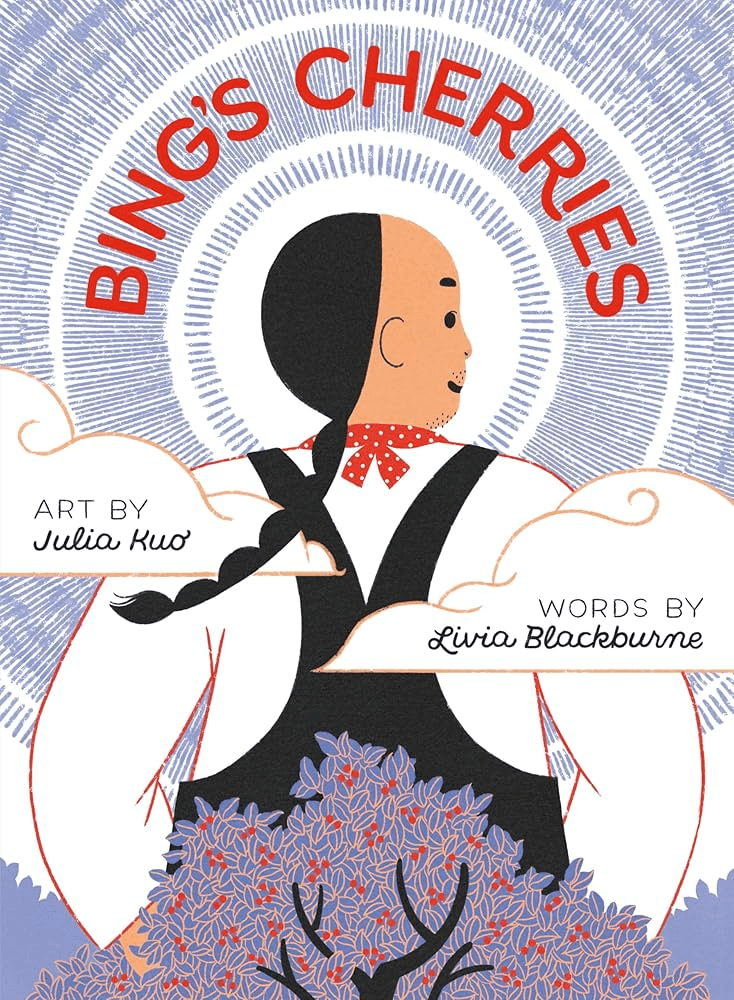
Bing’s Cherries by Livia Blackburne, illustrated by Julia Kuo (Knopf Books for Young Readers, 2026). After a girl finds out that the Bing cherries from her backyard were cultivated by a Chinese immigrant named Ah Bing, she makes up a tall tale about him that includes information about the struggles of 19th century Chinese immigrants.
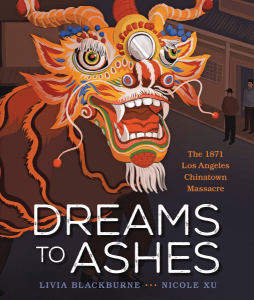
Dreams to Ashes: The 1871 Los Angeles Chinatown Massacre by Livia Blackburne, illustrated by Nicole Xu (Carolrhoda Books, 2025, 40 pages). A gunfight in 1871 triggered a massacre in L.A.’s Chinatown, leaving eighteen Chinese men dead, only one of whom was involved in the gunfight, and destroying homes and businesses throughout Chinatown.
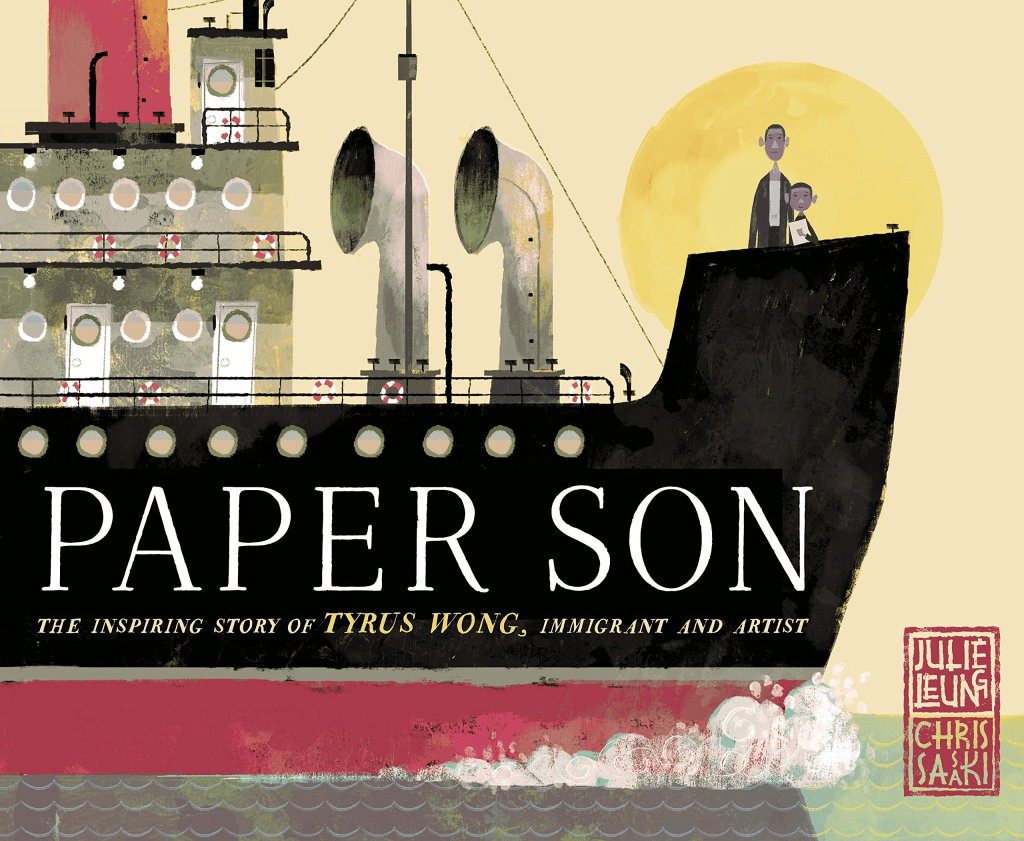
Paper Son: The Inspiring Story of Tyrus Wong, Immigrant and Artist by Julie Leung, illustrated by Chris Sasaki (Schwartz and Wade, 2019, 40 pages). In 1919, Wong Geng Yeo immigrated from China to the U.S. as a “paper son,” using false papers to create an identity that would allow him into the country. His new name was Tai Yow, which was Americanized to Tyrus. He worked hard to learn art and wound up at Disney studios, where he used his knowledge of Chinese art to help create backgrounds for Bambi. Although his work was a key to the film, he was only credited as a background artist.
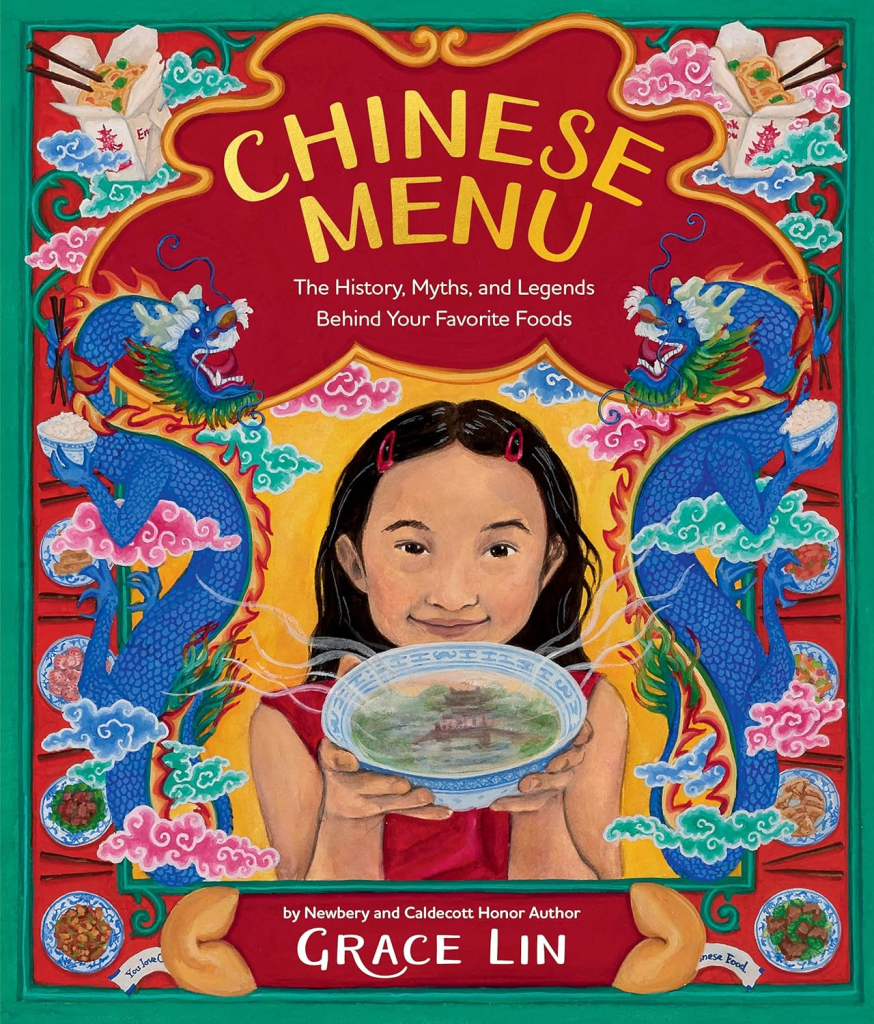
Chinese Menu: The History, Myths, and Legends Behind Your Favorite Foodsby Grace Lin (Little, Brown Books for Young Readers, 2023, 288 pages). This history of foods from a Chinese menu is filled with facts, personal anecdotes, and folklore. The author’s note tells about the difficult history of Chinese immigrants in the U.S. and how their cuisine has sustained them and been adapted to American tastes.
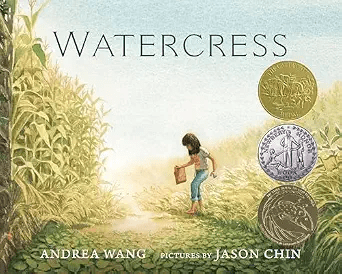
Watercress by Andrea Wang, illustrated by Jason Chin (Neal Porter Books, 2021, 32 pages). The narrator is angry when her parents stop to gather watercress by the side of the road, and back at home, she refuses to eat it. Her mother gently relates the story of famine in China that brought her family to the U.S. when she was young. Includes an author’s note about the challenges of growing up in an immigrant family and understanding the choices of parents who have had experiences that can be hard to understand.
E Is for Ellis Island and L Is for Lady Liberty
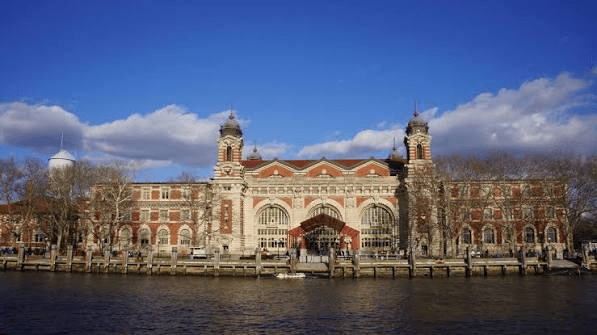
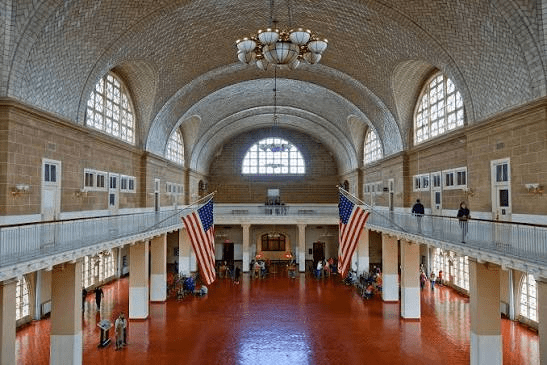
My daughter lives in Manhattan, and she joined me for a Saturday trip to Ellis Island. I would advise against going on a Saturday in July as we did. We lucked out on the weather, but waiting in line for the ferry under a late morning sun was not much fun–although it may have given us a taste of what it was like arriving at Ellis Island. The same ferry takes you to both the Statue of Liberty and Ellis Island, but we opted for Ellis Island only.
It took us a few minutes to get our bearings, and we both felt the signage could have been improved upon, but we really hit our groove on the second floor, where the exhibits took us step by step through the process that immigrants experienced when they arrived at Ellis Island. Everyone had to go through questioning and a medical exam, after which most were free to go on to America. Some had to stay for longer to receive medical treatment, and about 2% were sent back to their country of origin. Compared to today’s reports from the southern borders, it seemed remarkably humane.
Books to read about the Statue of Liberty and Ellis Island
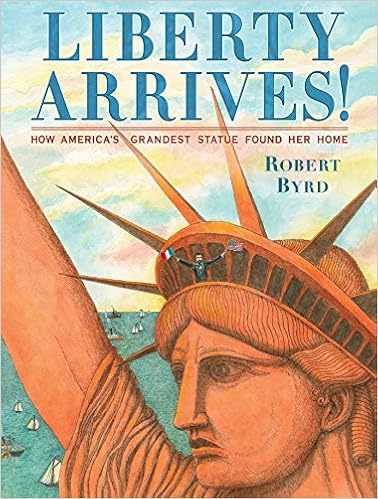
Liberty Arrives! How America’s Grandest Statue Found Her Home by Robert Byrd (Dial Books, 2019, 40 pages). This oversized book offers a wealth of fascinating, engagingly written information about the origins of the Statue of Liberty, all illustrated with Robert Byrd’s detailed watercolors.
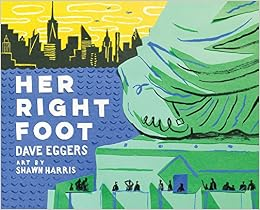
Her Right Footby Dave Eggers, illustrated by Shawn Harris (Chronicle Books, 2017, 104 pages). The author relates some quirky details about different parts of the statue, then focuses on one specific part: her right foot, which is lifted as though she is walking away. Where is she going? He concludes that she is an immigrant, like all the other immigrants she has welcomed over the years. This lengthy picture books offers plenty of food for thought about American history and immigration. I thought of it and noticed the right foot as we were sailing past it.
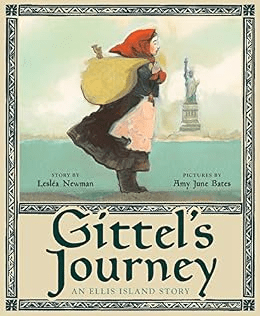
Gittel’s Journey: An Ellis Island Story by Lesléa Newman, illustrated by Amy June Bates (Abrams Books for Young Readers, 2019, 48 pages). Based on a true story, this book tells about Gittel’s journey from Russia to America by way of Ellis Island. She endures one hardship after another but is finally united with her cousin in New York. Readers will learn about the immigration process at Ellis Island in the early 20th century.
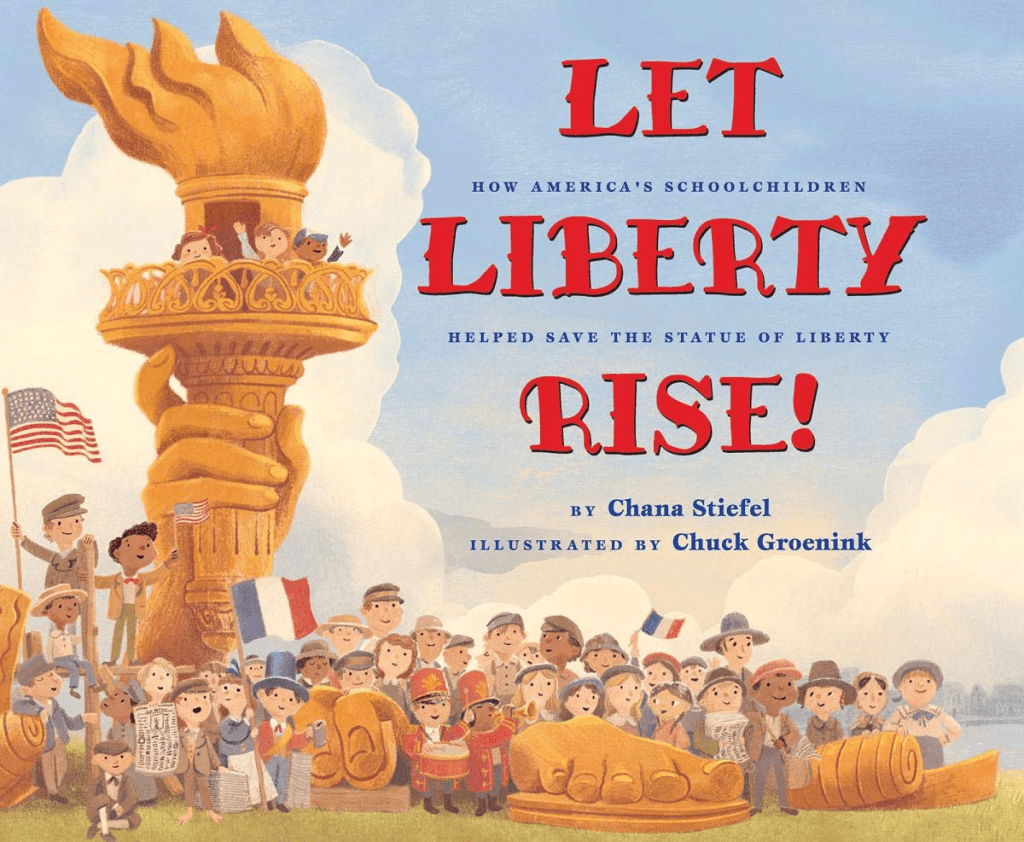
Let Liberty Rise! How America’s Schoolchildren Helped Save the Statue of Libertyby Chana Stiefel, illustrated by Chuck Groenink (Scholastic, 2021, 40 pages). The story of Joseph Pulitzer’s 1885 fundraising campaign that led to 120,000 donors contribute the $100,000 that was needed to complete the pedestal for the Statue of Liberty.
I Is for Immigrants
I returned to the Museum of the City of New York for the second year and once again enjoyed the 28-minute film Timescapesthat’s shown every 40 minutes throughout the day, which takes you on a whirlwind tour of the history of the city. Their exhibit New York at Its Core is a good supplement with panels that explain different eras in the city’s history. While neither of these is explicitly about immigration, it’s such a big part of New York’s history that there’s plenty of information about it in both the film and the exhibit.
Books to read about immigration
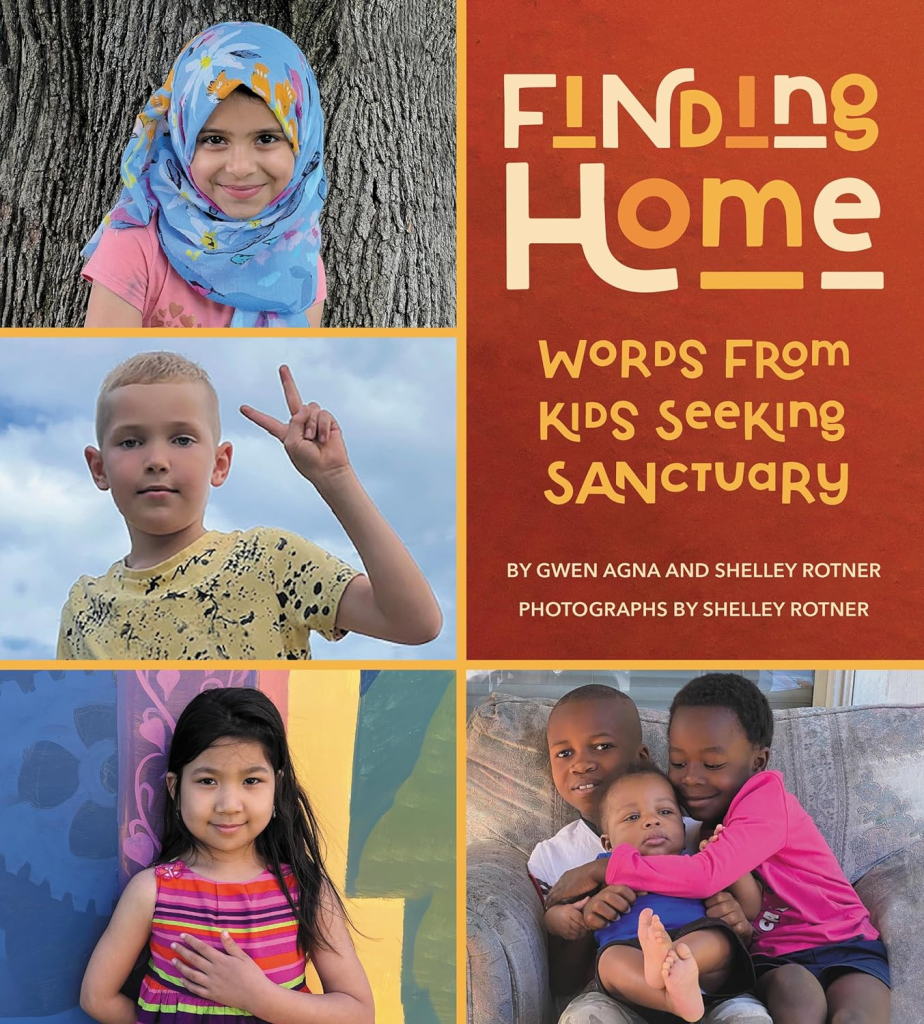
Finding Home: Words from Kids Seeking Sanctuary by Gwen Agna and Shelley Rotner, photographed by Shelley Rotner (Clarion Books, 32 pages, 2024). A look at immigration today, with photos of kids and their own descriptions of what their experiences have been. Includes resources for parents, caregivers, and educators about making kids feel welcome.
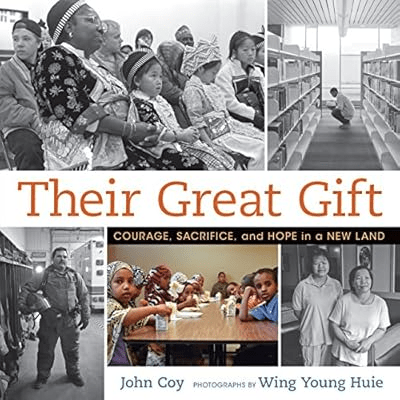
Their Great Gift: Courage, Sacrifice, and Hope in a New Land by John Coy, photographs by Wing Young Huie (Carolrhoda Books, 2016, 32 pages). The text is very brief, almost like a poem, but, combined with the compelling photos of contemporary people who have recently immigrated to the U.S., this would make an excellent introduction to immigration and could spark some interesting discussions.
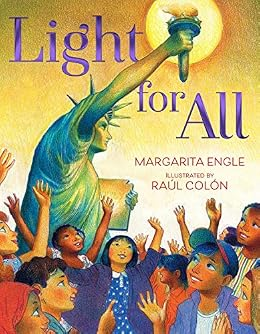
Light for All by Margarita Engle, illustrated by Raúl Colón (Simon and Schuster/Paula Wiseman Books, 2021, 40 pages). Another poetic text introducing immigration, illustrated by Pura Belpré Award winner Raúl Colón. This one talks about some of the hard truths that America has often been unwelcoming to immigrants, which is even more evident now than when this book was published in 2021.
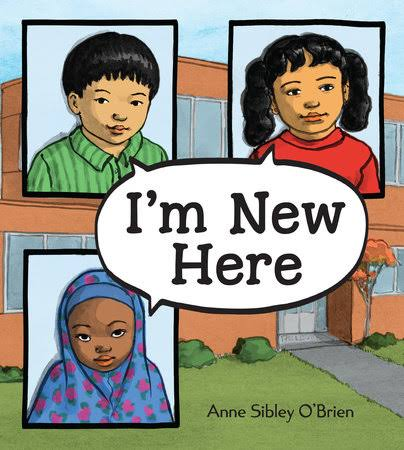
I’m New Here by Anne Sibley O’Brien (Charlesbridge, 2018, 32). Three children who have just arrived in America tell their stories about learning a new language, going to school for the first time, and ultimately, finding new friends. The companion, Someone New (2021), is told from the perspective of kids welcoming the newcomers to their schools.
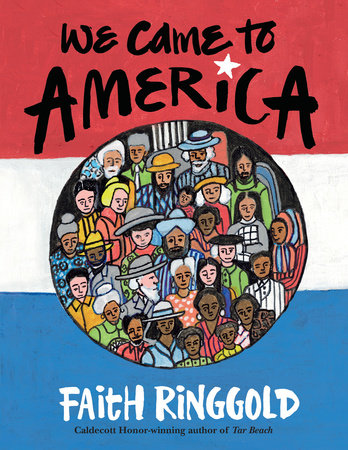
We Came to America by Faith Ringgold (Alfred A. Knopf, 2016, 32 pages). Yet another illustrated poem by renowned artist Faith Ringgold that is a good introduction to immigration for primary grades.
T Is for Tenements
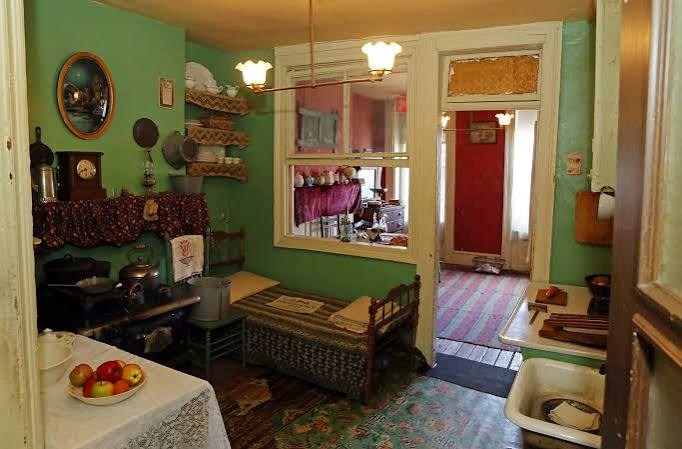
Although it’s at the bottom of the alphabetical list, the New York City tenements were the first place I explored on this trip with my visit to the Tenement Museum. I’m not generally a big fan of guided tours, but that’s the only way to go through this museum, and I ended up really enjoying it. As I mentioned, we toured apartments from two different eras, and I found it fascinating, especially the Wongs’ apartment, which was in use until 2014. The mother and kids who made their home there are still alive and provided photos and recordings of their lives there. Their story really epitomizes the American dream, as all four children graduated from college and are successful professionals today. You can learn more about their story here.
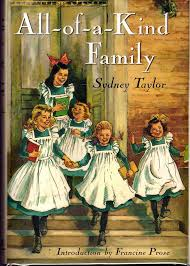
I don’t know of any books specific to the tenements, but any of the ones listed above would be useful to read before and/or after a visit to the Tenement Museum. My introduction to New York City tenement life was through Sydney Taylor’s All-of-a-Kind Family books which are based on her life growing up in a large Jewish family that lived in a tenement in the early 1900’s. Although the first three books (which are the best ones, in my opinion) were published in the 1950’s, I think they have stood the test of time.
In September of 2022, I reviewed a book called H is for Harlem by Dinah Johnson (Christy Ottaviano books, 2022, 48 pages) and said that I was “ready to hop on the train and take a trip to Harlem.” I had thought I knew a little about this New York City neighborhood and the Harlem Renaissance, but this book showed me that there were many interesting people and places there that I knew nothing about. It took me almost three years, but this summer I finally did got to travel there and visit a few of those places. The list below shows each site I visited, accompanied by a page from this book.
I kept discovering more and more amazing children’s books about Harlem, so this post is a little heavier on the book lists than most. If you’re planning to visit Harlem with kids, read some of these books beforehand to enhance your trip.
H is for Harlem
My trip really just scratched the surface of this Manhattan neighborhood which has a long history, going back to when the Wecquaesgeek inhabited land that would eventually be taken over by the Dutch, who called it Haarlem. Over the years it’s been home to many groups, including Jewish and Italian immigrants, but it’s probably best known for the Harlem Renaissance, which, from just after World War I until the Great Depression, produced an amazing who’s who of writers, musicians, artists, and performers.
Harlem is located in northern Manhattan, with a few different definitions of its boundaries. I visited Central Harlem, bounded by Central Park North, Fifth Avenue, Edgecombe Avenue, and 155th Street. There’s also East Harlem, which is sometimes called Spanish Harlem, and West Harlem, which includes Manhattanville, Sugar Hill, and Morningside Heights.
Books to Read
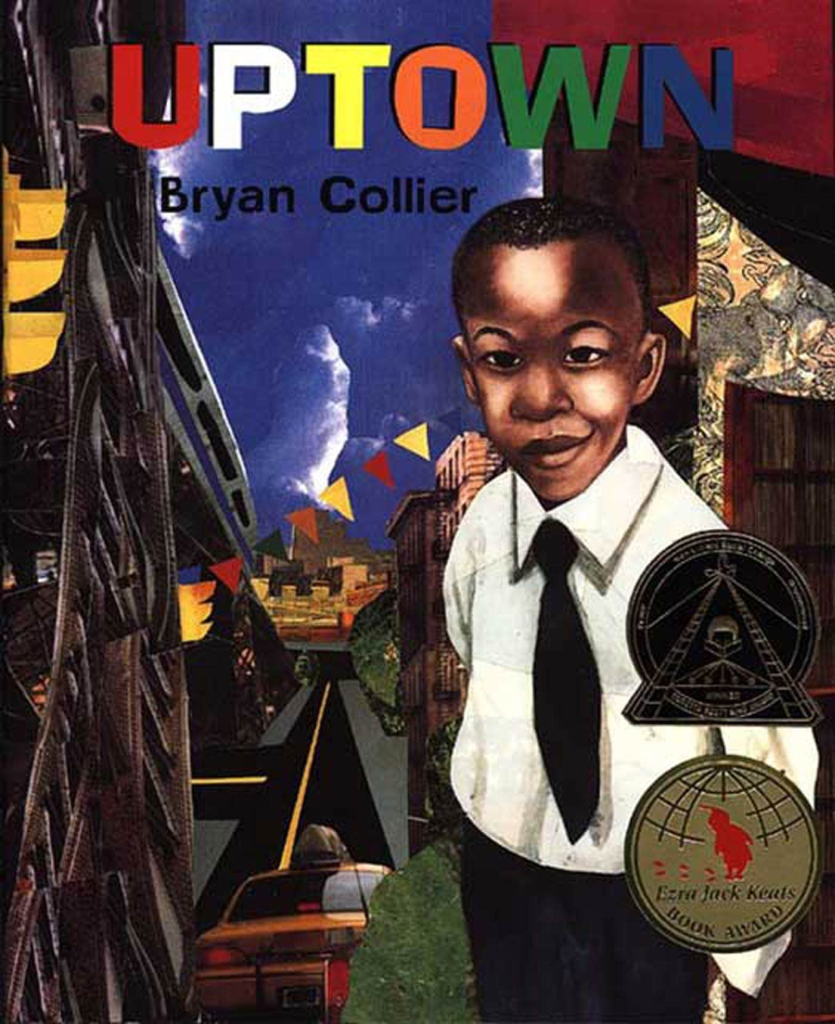
Uptown by Bryan Collier (Henry Holt, 2000, 32 pages). This book is now 25 years old, but it still really captures the vibe of Harlem with its beautiful collage illustrations that are like snapshots of people and places in Harlem where Collier made his home (and as near as I can tell, still does).
Harlem at Four by Dr. Michael Datcher, illustrated by Frank Morrison (Random House Studio, 2023, 48 pages). Dr. Datcher usually writes books for adults, but his four-year-old daughter, Harlem, inspired him to write this two-part picture book. Part one celebrates his days with Harlem in New York City, enjoying art and music by Black artists. The second part is about the fourth year of the twentieth century (1904), when Philip A. Payton, Jr. started the Afro-American Realty Company that bought homes in Harlem and rented them to “brownstone-colored families,” starting the Harlem chapter of the Great Migration that eventually led to the Harlem Renaissance..
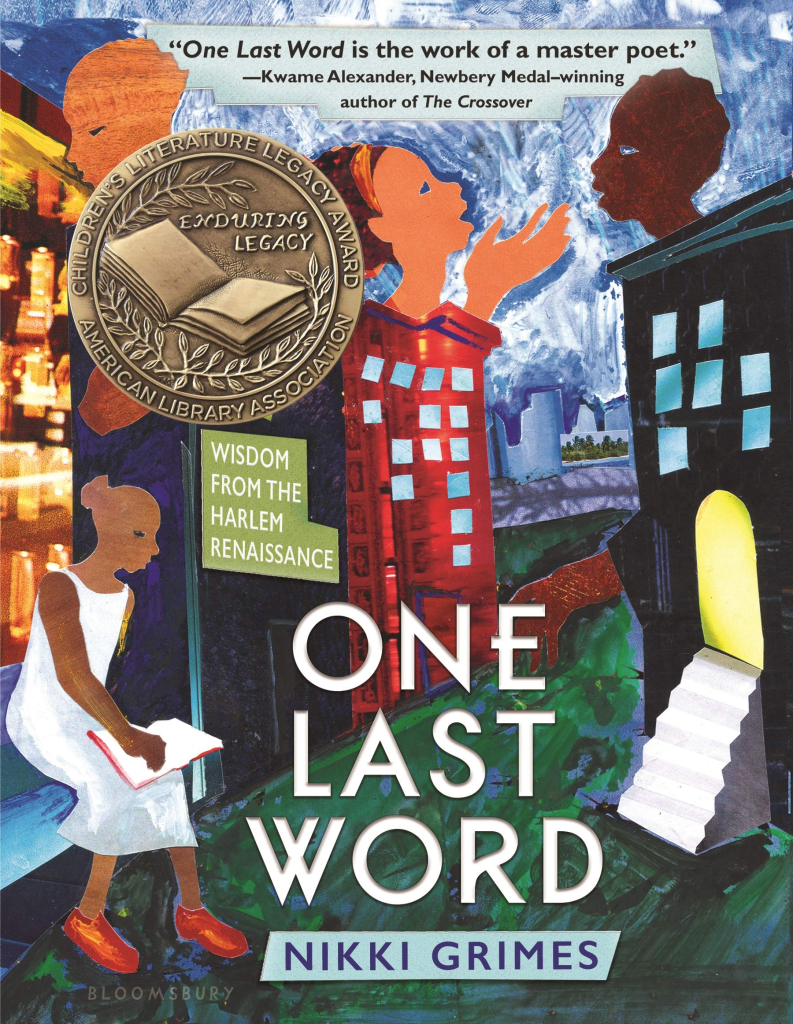
One Last Word: Wisdom from the Harlem Renaissance by Nikki Grimes (Bloomsbury, 2021, 128 pages) and its follow-up Legacy: Women Poets of the Harlem Renaissance (Bloomsbury, 2021, 144 pages). Nikki Grimes wrote her own poems based on the works of Harlem Renaissance poets in these two volumes. They not only serve as amazing introductions to all the poets, but showcase the talents of many contemporary Black artists with the illustrations that accompany the poems. The introductions and back matter offer more information about the Harlem Renaissance and the poets who were part of it.
Harlem Honey by Tamron Hall, illustrated by Ebony Glenn (HarperCollins, 2025, 40 pages). This new book by journalist Tamron Hall tells the story of a boy who’s recently moved from Texas to Harlem. When he discovers neighbors raising bees on the roof, he makes a new friend and gets introduced to Sylvia’s, the Apollo Theater, and other Harlem landmarks. The story plus the additional information at the end make this a good introduction to Harlem for younger elementary kids.
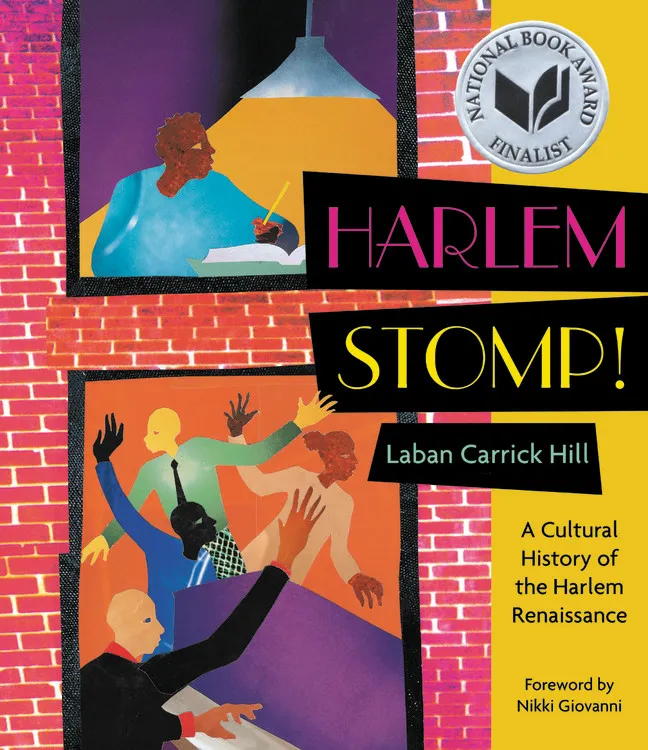
Harlem Stomp!: A Cultural History of the Harlem Renaissance by Laban Carrick Hill, foreword by Nikki Giovanni (Little, Brown Books for Young Readers, 2004, 160 pages). This National Book Award finalist gives a pretty complete history of the Harlem Renaissance in a format that can be read cover-to-cover or browsed through for topics of interest. Readers in middle school and high school will get a lot of background that would be useful to know before visiting Harlem.
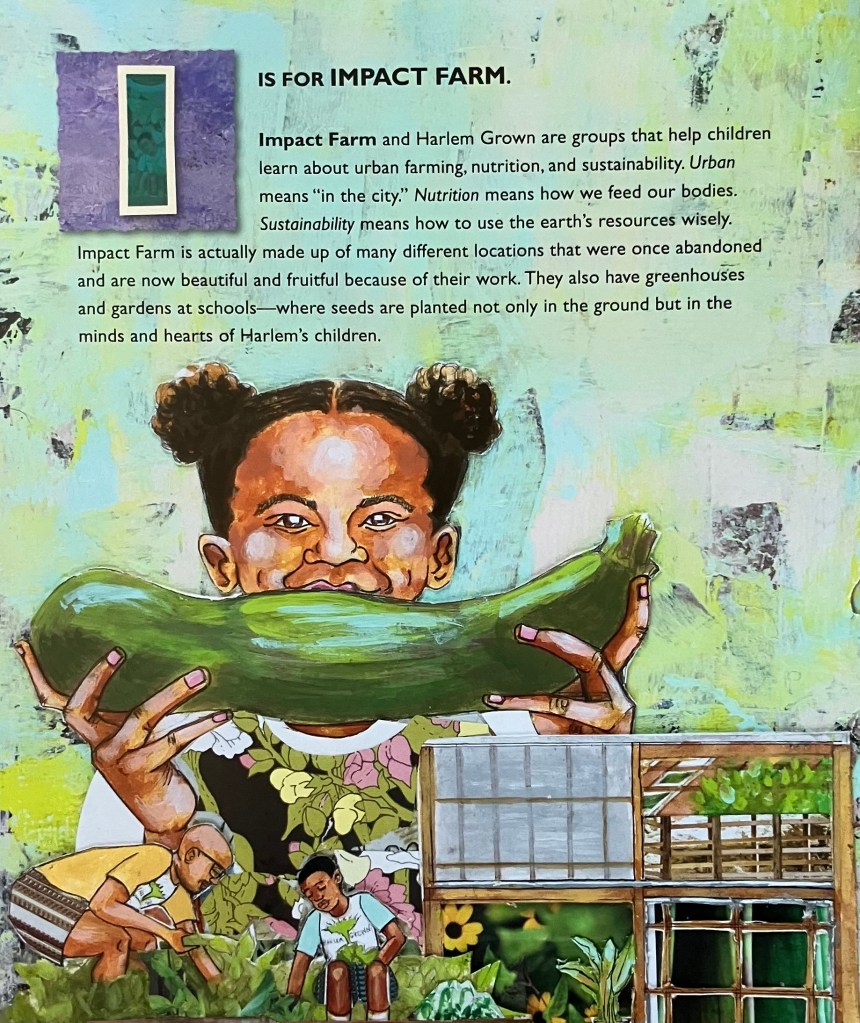
I is for Impact Farm
This page of the book mentions Impact Farm and Harlem Grown as groups that teach kids about urban farming. I can’t find any information about Impact Farm, and when I Google it, I get results for Harlem Grown. I found Harlem Grown on my visit, and strolled around. Their gardens were flourishing, and they also have a chicken coop and a cool little round library where kids and their caregivers can sit and read together about farming and cooking. Check out their website for events and free farm stands around the city.
Books to Read
Harlem Grown: How One Big Idea Transformed a Neighborhood by Tony Hillery, illustrated by Jessie Hartland (Simon and Schuster/Paula Wiseman Books, 2020, 40 pages). Tony Hillery tells how his volunteer work at P.S. 175 led to him turning the vacant lot across the street into Harlem Grown. He’s been helped by many others, and some of their work is described in the sequel, Saturdays at Harlem Grown: How One Big Idea Transformed a Neighborhood by Tony Hillery, illustrated by Jessie Hartland (Simon and Schuster/Paula Wiseman Books, 2024, 48 pages). It shows the chicken coop and the library, as well as the garden! Both of these are great introductions that will appeal to preschool and up, and there’s lots of back matter to give older readers additional information.
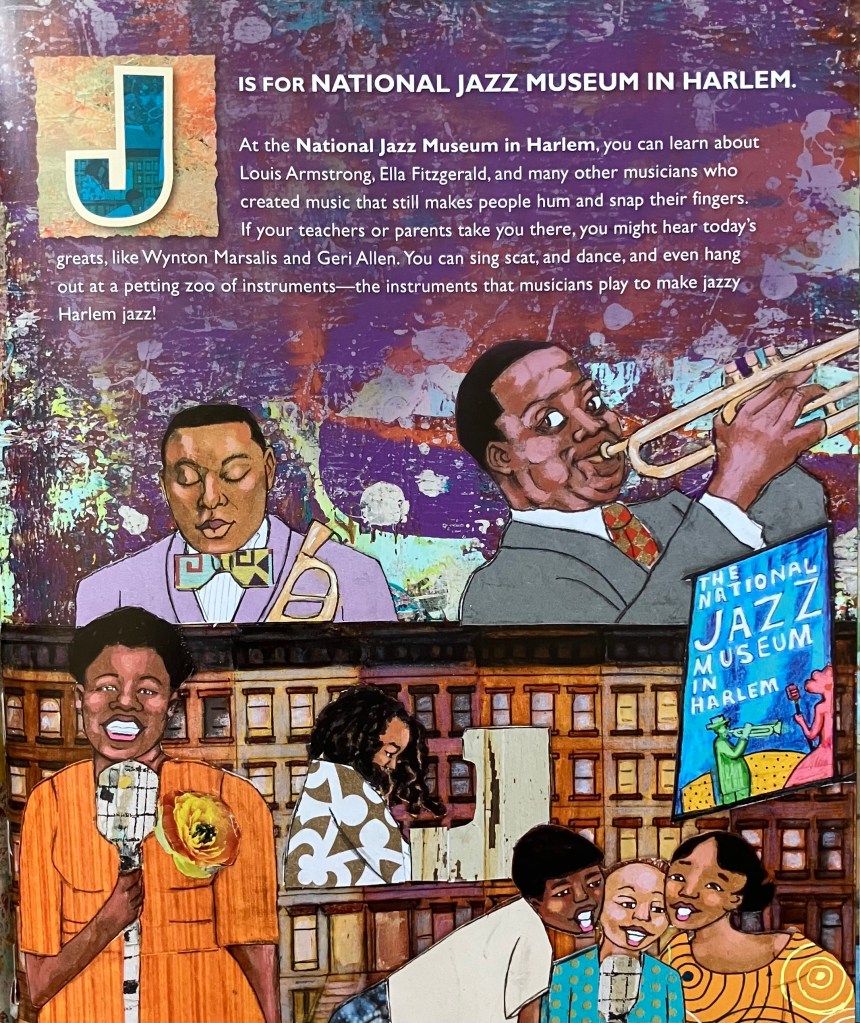
J is for National Jazz Museum in Harlem
I’m the first to admit that I know next to nothing about jazz, but I still enjoyed this small museum about one of Harlem’s best-known musical genres. Duke Ellington’s piano is front and center, which is pretty cool, and there’s a lot of information about the impact of Latinx musicians from Puerto Rico, Cuba, and other places on jazz. There’s also a fun interactive exhibit where you can try your hand at playing piano with some of the greats, but I knew my limitations.
Books to read
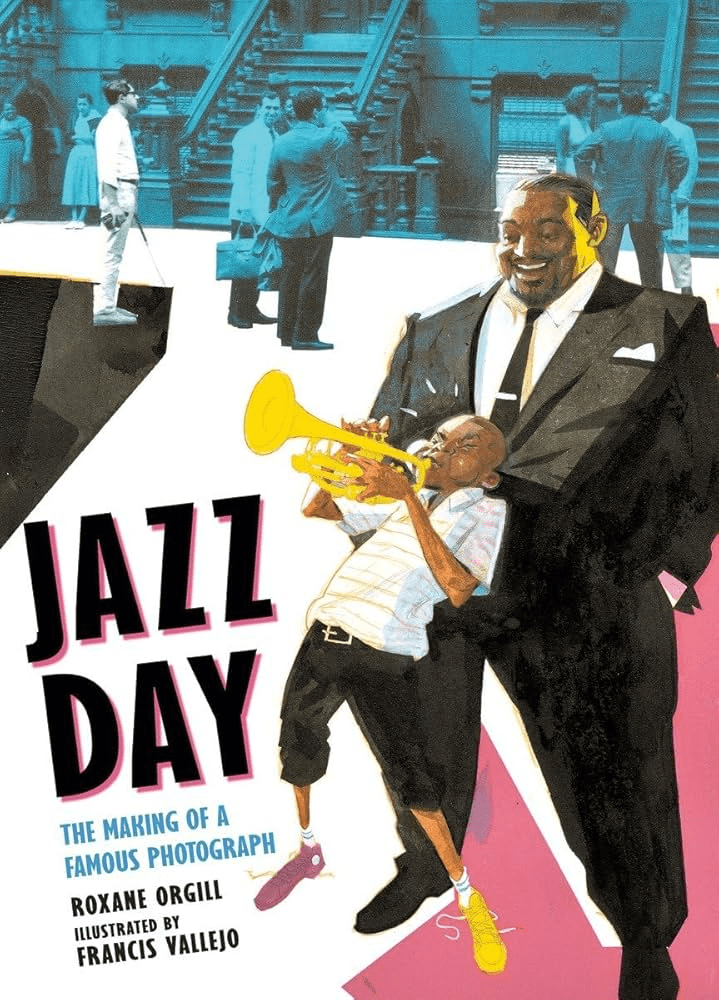
Jazz Day: The Making of a Famous Photograph by Roxane Orgill, illustrated by Francis Vallejo (Candlewick, 2017, 66 pages). Poems in the voices of jazz musicians, observers, and photographer Art Kane tell the story of Kane’s idea to photograph 57 jazz artists in front of a Harlem brownstone on August 12, 1958, which was published in Esquire magazine as A Great Day in Harlem. A bunch of local kids lined up to be in the front row of the photo. Biographies of all the musicians in the photo at the end of the book bring their stories to life and will enhance the visit to the Jazz Museum.
¡Mambo Mucho Mambo!: The Dance That Crossed Color Lines by Dean Robbins, illustrated by Eric Velasquez (Candlewick, 2021, 40 pages) shows how Latin jazz, starting in Spanish Harlem and later moving to the Palladium, brought together dancers from all different neighborhoods and created a new type of dancing that led to greater integration of dance clubs.
L is for Liberation Bookstore
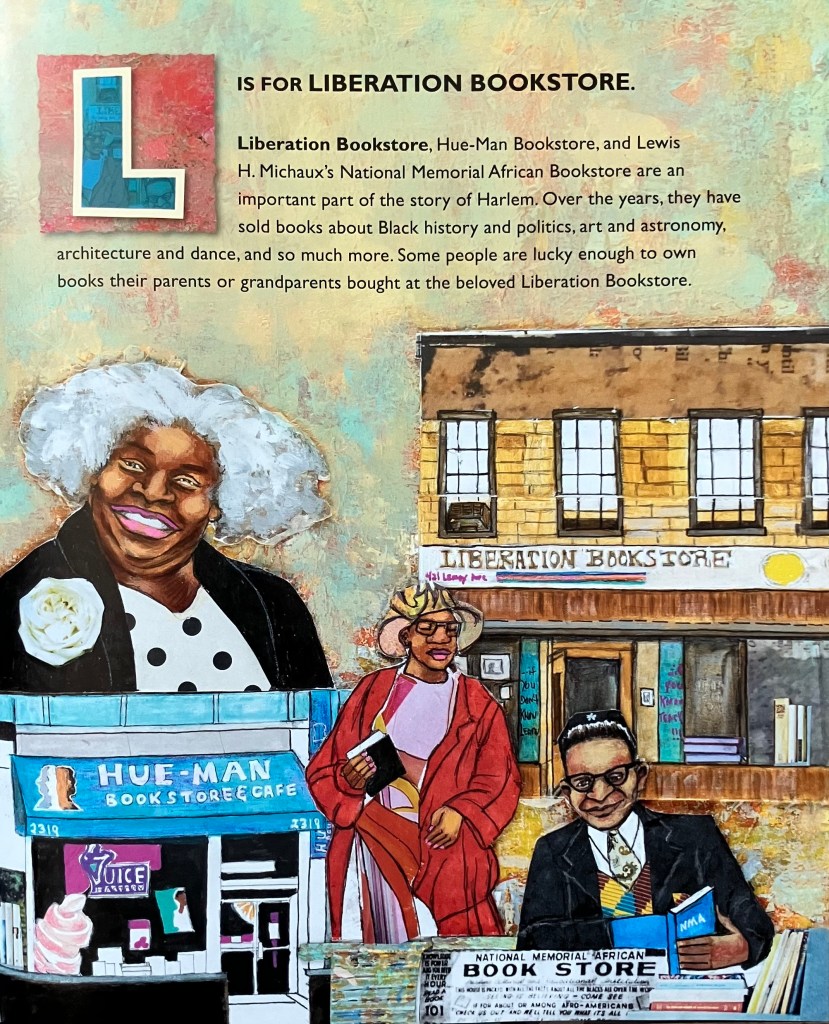
The bookstores listed in H Is for Harlem include Liberation Bookstore, run by Una Mulzac from 1967 to 2007, National Memorial African Bookstore, Lewis H. Michaux’s bookstore that was on 7th Avenue from 1932-1968 before moving to West 125th Street until it closed in 1974, and Hue-Man Bookstore, whose owner, Marva Allen, closed the doors in 2012 after a decade in business (although Hue-Man still has an online presence as Huemanbooks and partners with Ground Central Coffee for events).
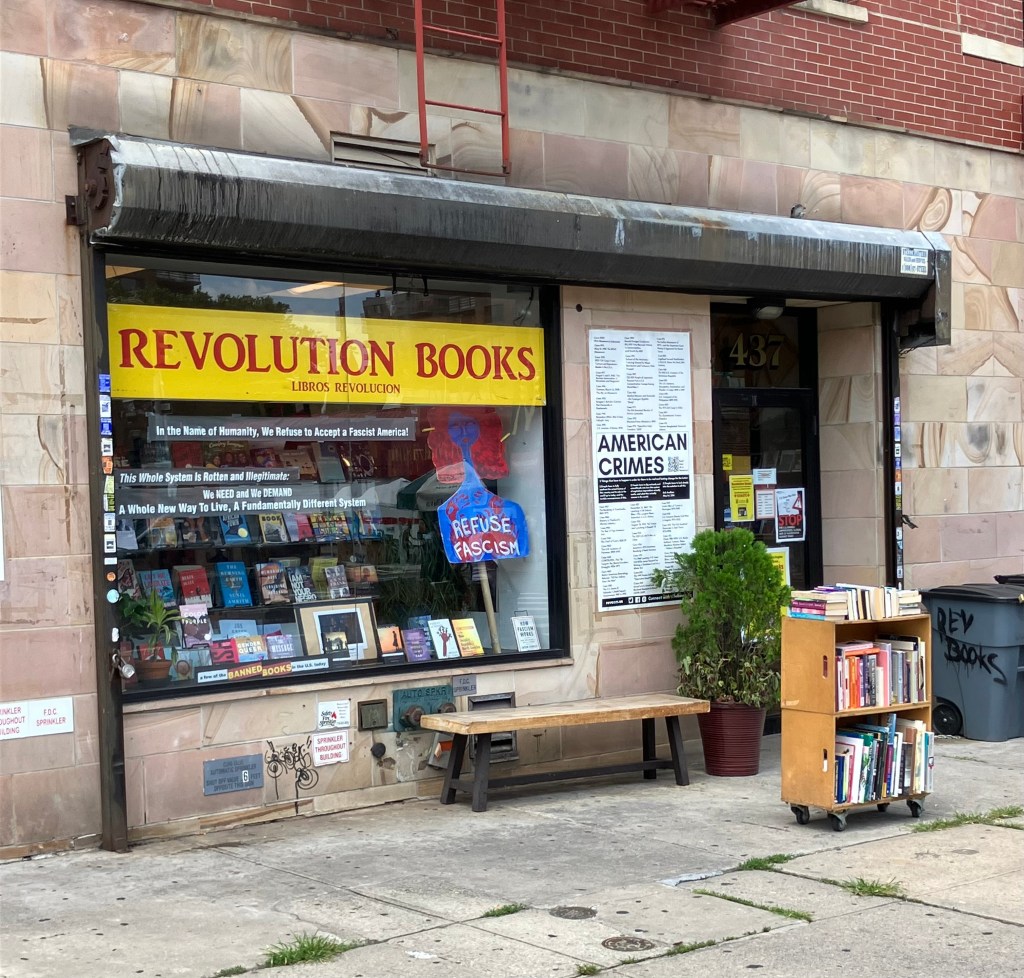
If you want a taste of these activist former bookstores, I recommend stopping by Revolution Books. Not only do they have an excellent selection of interesting books to educate readers of all ages about various leftist causes, but it was probably the friendliest place I found in Harlem. There were several volunteers hanging out, and they were interested to hear what brought me there, and eager to talk to me about Communism, specifically Bob Avakian and his Revolutionary Communist Party. I very much enjoyed our conversation and was persuaded to buy a $5.00 paperback about Avakian.
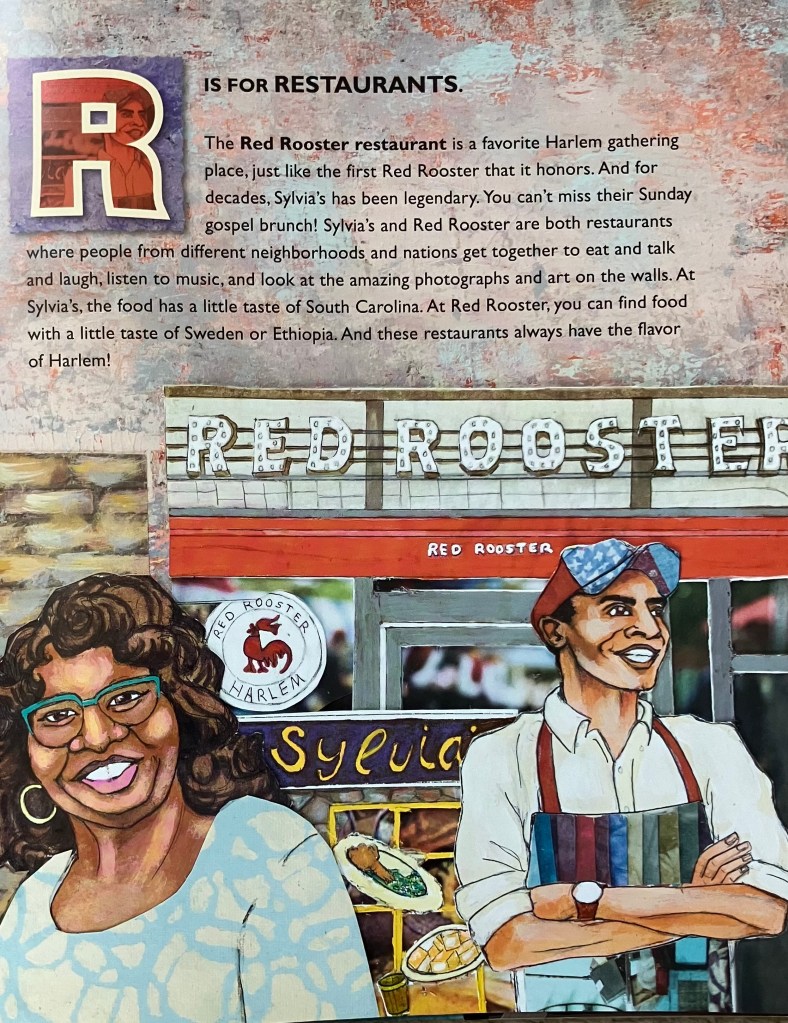
The two restaurants listed in the book are Sylvia’s and the Red Rooster. Sylvia Woods bought Johnson’s Luncheonette, where she was working as a waitress, in 1962, and turned it into a soul food restaurant that’s fed ordinary folks and celebrities like Quincy Jones, Diana Ross, and Presidents Clinton and Obama.
I went to Sylvia’s only because it opened an hour earlier and fit my schedule better, but I was so glad I did! There’s a nice lunch menu with reasonable prices and good-sized portions. I ordered the smothered chicken leg with a side of macaroni and cheese, which was delivered to my table in about two minutes by my gracious and attentive server. The chicken, lightly fried and smothered in gravy, was tenderly slipping off the bone, and the macaroni was a cheesy marvel with just the right amount of crustiness on top. As if this weren’t enough, I also got two mini loaves of warm cornbread with butter. There are photos of celebrities who have dined at Sylvia’s adorning the walls, but the atmosphere is very down-to-earth and homey.
I did walk by the Red Rooster, which is just a couple of doors down, and the menu there looked delicious, if a bit more sophisticated. A little research revealed that it’s better known for its celebrity head chef Marcus Samuelsson than for the historical significance of Sylvia’s. The name is taken from a more historical restaurant, which I’m guessing is what’s referenced in the book, but I couldn’t find much about it..
Book to read
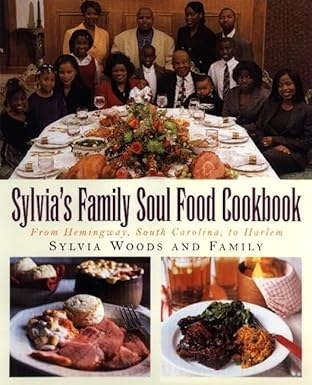
Sylvia’s Family Soul Food Cookbook: From Hemingway, South Carolina to Harlem by Sylvia Woods (William Morrow, 1999, 288 pages). I haven’t tried any of the recipes, but I did read the 66-page introduction, which gave me a whole new appreciation for Sylvia Woods and her restaurant. Learning about her childhood in Hemingway, South Carolina helped me to understand not only where her incredible menu came from, but also the strong women and hard work that were influential in her success. Her maternal grandfather was lynched when her mother was a baby, and her own father died as a result of World War I gassing when Sylvia was three days old, but her mom and grandmother worked hard, persevered, and passed along a love of food to nurture both body and soul that you can still taste at the restaurant today.
S is for Schomburg Center for Research in Black Culture
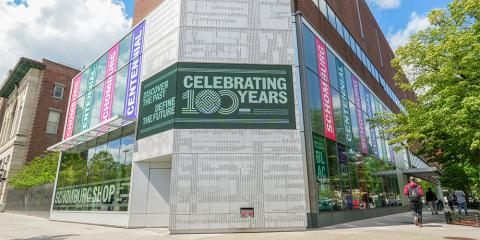
This is where I started my day, and it was a perfect first stop. Arturo Schomburg grew up in Puerto Rico with a Black mother and a white father. When one of his elementary school teachers claimed that Black people had no history, Schomburg embarked on a lifelong quest to disprove this. He accumulated an amazing collection of books and papers that was eventually acquired by the 135th Street Branch of the New York Public Library. Librarian Ernestine Rose sought to uplift and preserve the Black and Latinx cultures of the 135th Street library where she worked and was a key player in purchasing Schomburg’s collection for this library, which later became known as the Schomburg Center for Research in Black Culture.
I enjoyed taking in all the exhibits, particularly the handwritten manuscripts from such writers as Maya Angelou, James Baldwin, and Malcolm X. Seeing Baldwin’s scrawled outline for Go Tell It On the Mountain or Angelou’s handwritten page with lots of words crossed out made them seem more human, struggling to express themselves like the rest of us. I accidentally wound up behind a touring group of Black teens, and got to enjoy hearing their older tour guide proudly telling them about the achievements of the people celebrated in the exhibits.
Books to read
There Was a Party for Langston by Jason Reynolds, illustrated by Jerome Pumphrey and Jarrett Pumphrey (Atheneum/Caitlyn Dlouhy Books, 2023, 56 pages). Inspired by a photo of writers Maya Angelou and Amiri Baraka dancing together at a 1991 party honoring Langston Hughes held at the Schomburg Library, this is an exuberant celebration of Black writers inspired by Hughes. I just reread this book and felt like my visit to Harlem and the Schomburg really enhanced my understanding of it versus my first reading in 2023.
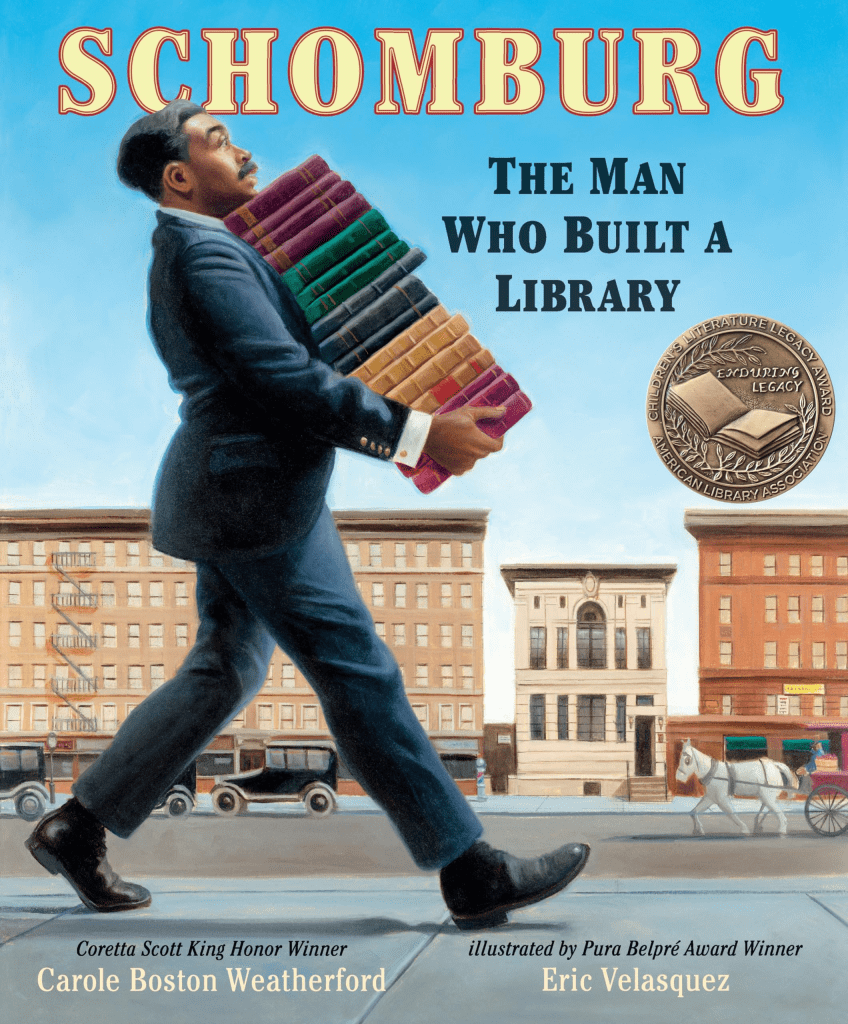
Schomburg: The Man Who Built a Library by Carole Boston Weatherford, illustrated by Eric Velasquez (Candlewick, 2017, 48 pages). I hadn’t read this book in eight years, and I forgot what a masterpiece it is, with poetry and oil paintings describing both Arturo Schomburg’s life and many of the people he studied. His painstaking research not only preserved an enormous amount of American Black history, but traced the African roots of such men as John James Audubon and Ludwig van Beethoven. It may be a little over the heads of younger kids, but older elementary and middle school readers will gain a greater appreciation of the Schomburg Center if they can get their hands on this book ahead of their visit.
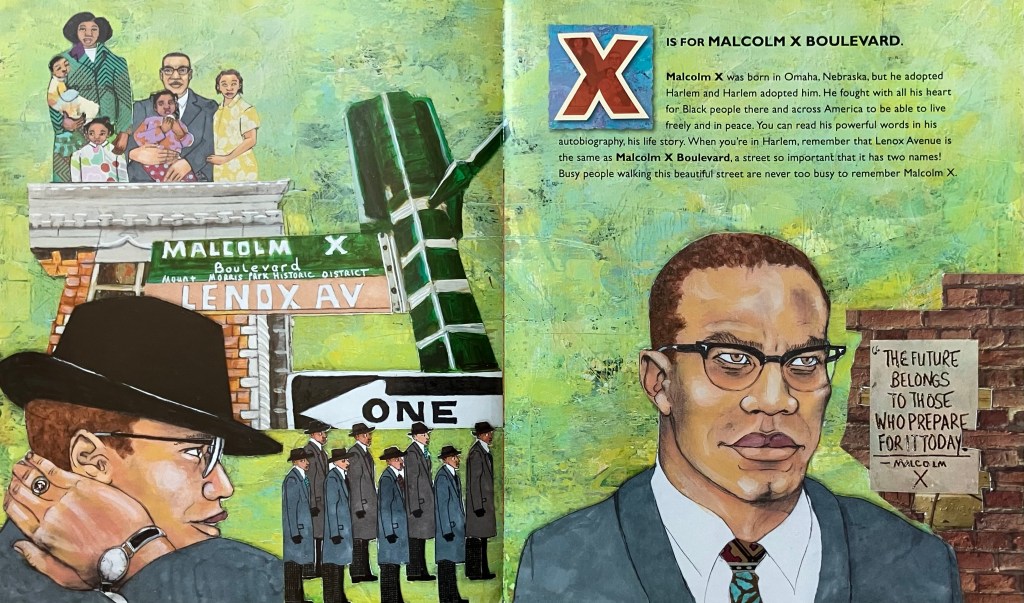
X is for Malcolm X Boulevard
Almost all my Harlem visits took place on Malcolm X Boulevard. The part of Sixth Avenue north of Central Park was named Lenox Avenue in 1887 to honor philanthropist James Lenox. 100 years later, it was co-named Malcolm X Boulevard in honor of Black activist who lived and worked in Harlem for many years, and was assassinated there in 1964.. The Shabazz Center in the Audubon Ballroom, where Malcolm X made his final speech, is an educational center committed to carrying on the work of Malcolm X and his wife Betty Shabazz.
Books to read
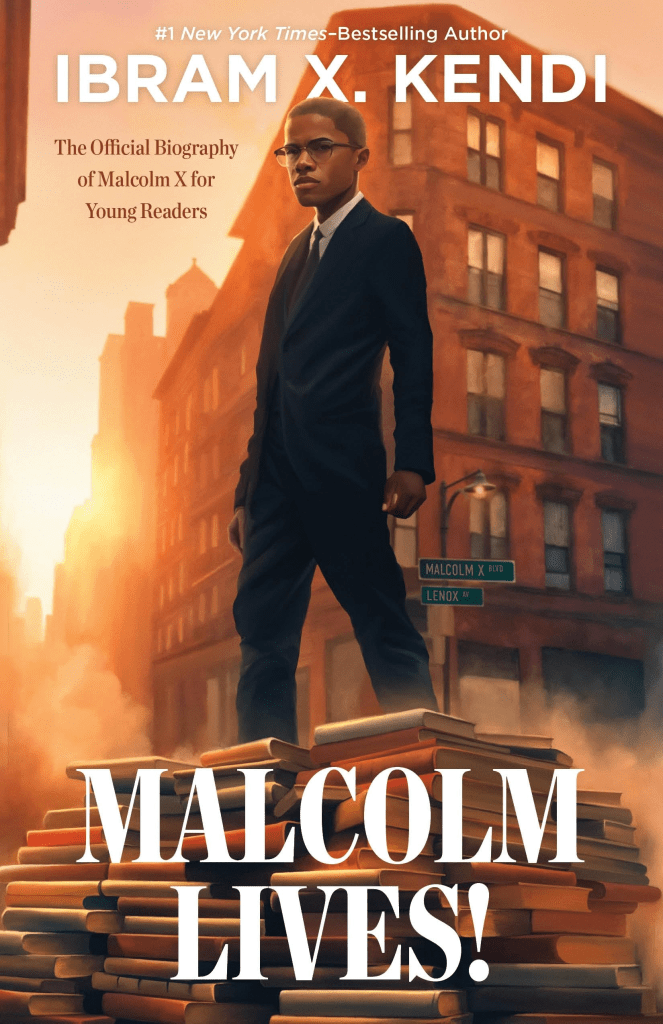
Malcolm Lives!: The Official Biography of Malcolm X for Young Readers by Ibram X. Kendi (Farrar, Straus, and Giroux, 2025, 400 pages). This new book by scholar and activist Kendi has gotten four starred reviews and is on my TBR list. It’s recommended for grades 5 and up.
Malcolm X: A Fire Burning Brightly by Walter Dean Myers, illustrated by Leonard Jenkins (Amistad, 2003, 40 pages). Walter Dean Myers won Coretta Scott King honor for his 1993 young adult biography Malcolm X: By Any Means Necessary (Scholastic, 1993). A decade later, he wrote this picture book, a well-written, straightforward introduction to Malcolm X’s life, perfect for older elementary or middle school kids.
Still on my bucket list
A is for Apollo Theater. I planned to go to Amateur Night on this trip, but I found out right before I left that the Apollo closed in June for a year of renovations.
D is for Dance Theatre of Harlem. I hope to catch a performance someday, either in NYC or on tour.
F is for Figure Skating in Harlem. I thought about going to their spring showcase, but it’s a tough time for me to get to New York. Maybe when I retire….
G is for Harlem Globetrotters. They do come to Springfield, Massachusetts, where I teach. I think my students might appreciate that performance more than I would!
T is for Harriet Tubman. The statue of Harriet Tubman is about a mile from where I spent most of my day. Had it not been nearly 100 degrees outside, I would probably have walked over to see it.