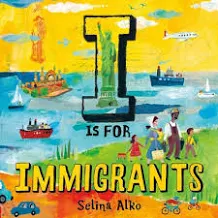
Last year I used the book H Is for Harlem to inspire my travels through Harlem. When I returned to New York City this year my guide was I Is for Immigrants by Selina Alko (Henry Holt and Co., 2021, 40 pages). This book features collage-style illustrations of A to Z immigration-related places and concepts. Unlike the Harlem book, which gave me a list of specific places to visit, this one inspired me to make my own choices about where to go.
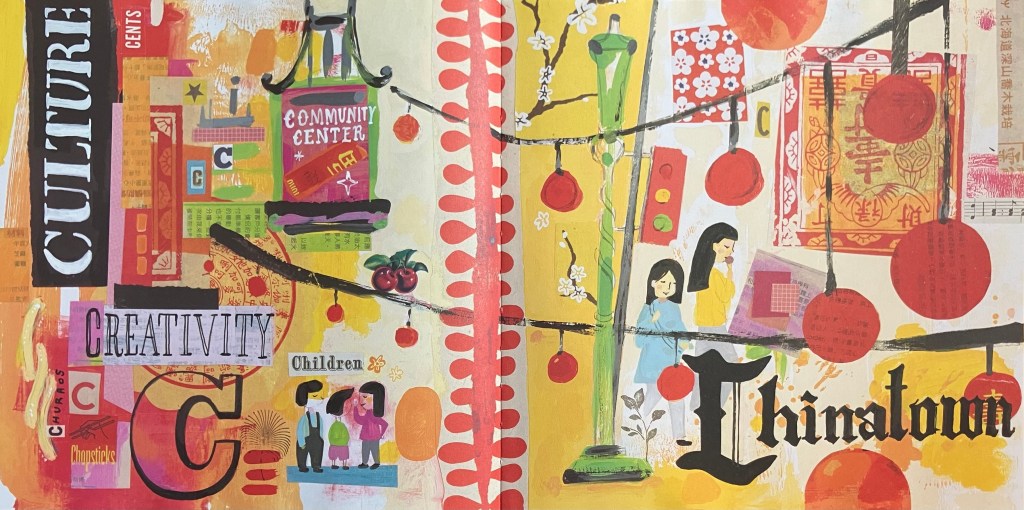
C Is for Chinatown
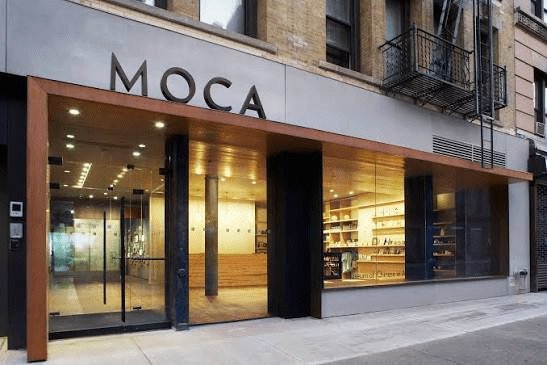
I learned about the Museum of Chinese in America after visiting the Tenement Museum, which I’ll get to later on. I tend to associate tenements with the turn of the century and eastern Europeans, so I was surprised that one of the apartments we toured was occupied by the Wong family who immigrated from China in the early 1960’s and lived in their apartment from 1968 until 2014. The MOCA tells the story of Chinese immigration to America, including the Chinese Exclusion Act of 1882, which prohibited all Chinese laborers from coming to America, and the 1965 Hart-Celler Act that opened up immigration for many non-Europeans (including the Wongs).
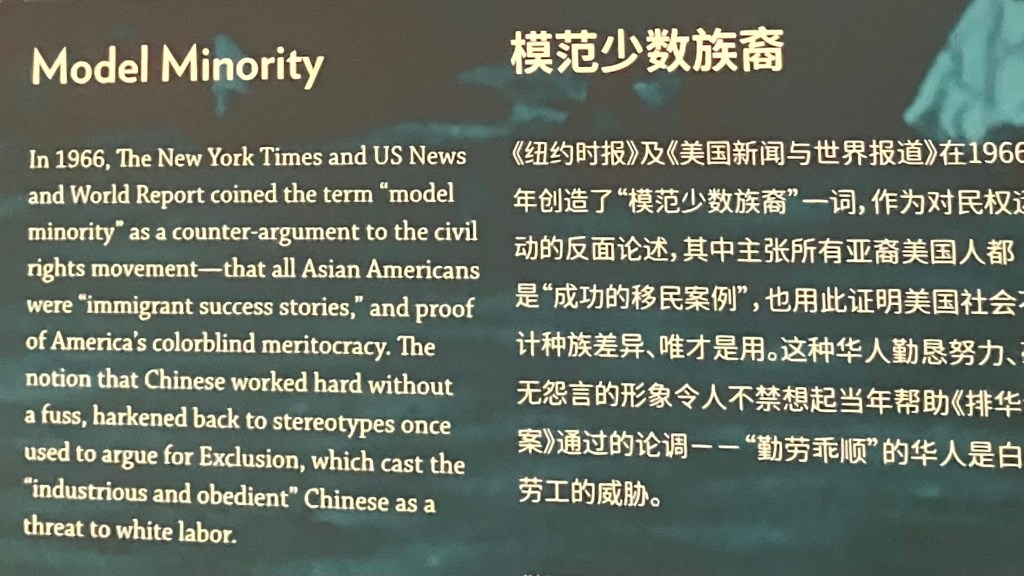
The exhibits are quite text-heavy and would probably not hold the interest of younger kids, although there was a fun temporary exhibit about the works of illustrator Ed Young. It’s a fascinating place to visit for teens and adults, though, and I learned a lot. Much of the history is pretty dark, but important to learn especially in the context of our current immigration policies, and the perseverance of many Chinese immigrants is inspiring.
Books to read about Chinese-American immigration
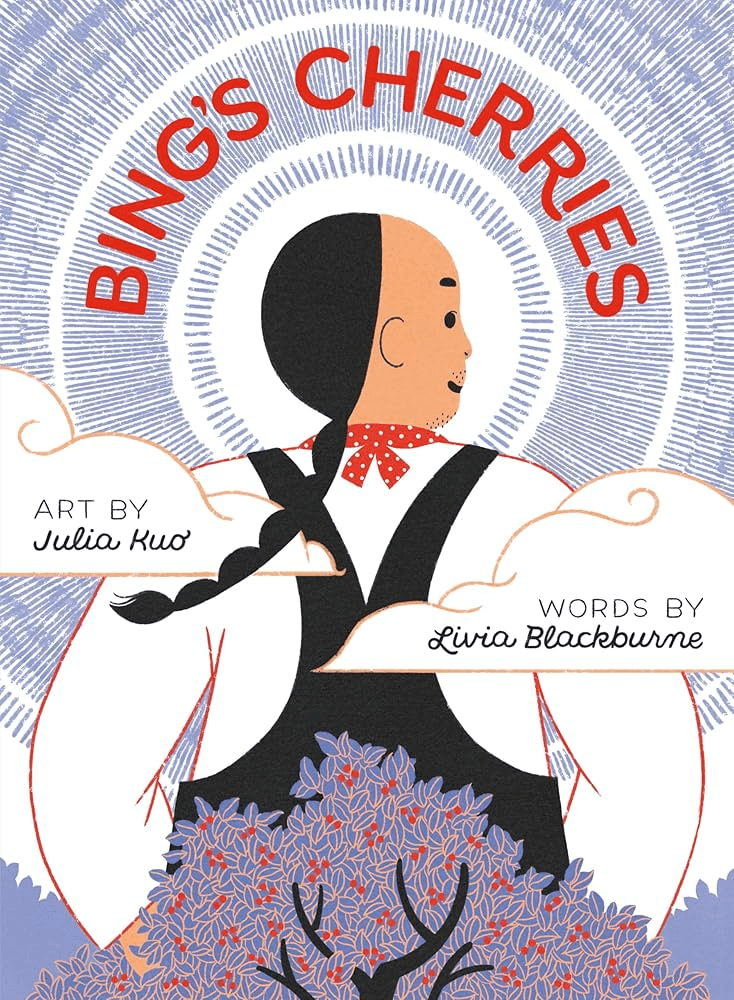
Bing’s Cherries by Livia Blackburne, illustrated by Julia Kuo (Knopf Books for Young Readers, 2026). After a girl finds out that the Bing cherries from her backyard were cultivated by a Chinese immigrant named Ah Bing, she makes up a tall tale about him that includes information about the struggles of 19th century Chinese immigrants.
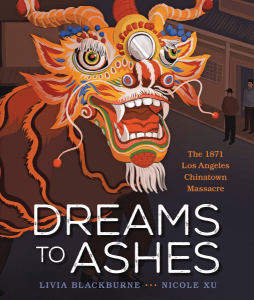
Dreams to Ashes: The 1871 Los Angeles Chinatown Massacre by Livia Blackburne, illustrated by Nicole Xu (Carolrhoda Books, 2025, 40 pages). A gunfight in 1871 triggered a massacre in L.A.’s Chinatown, leaving eighteen Chinese men dead, only one of whom was involved in the gunfight, and destroying homes and businesses throughout Chinatown.
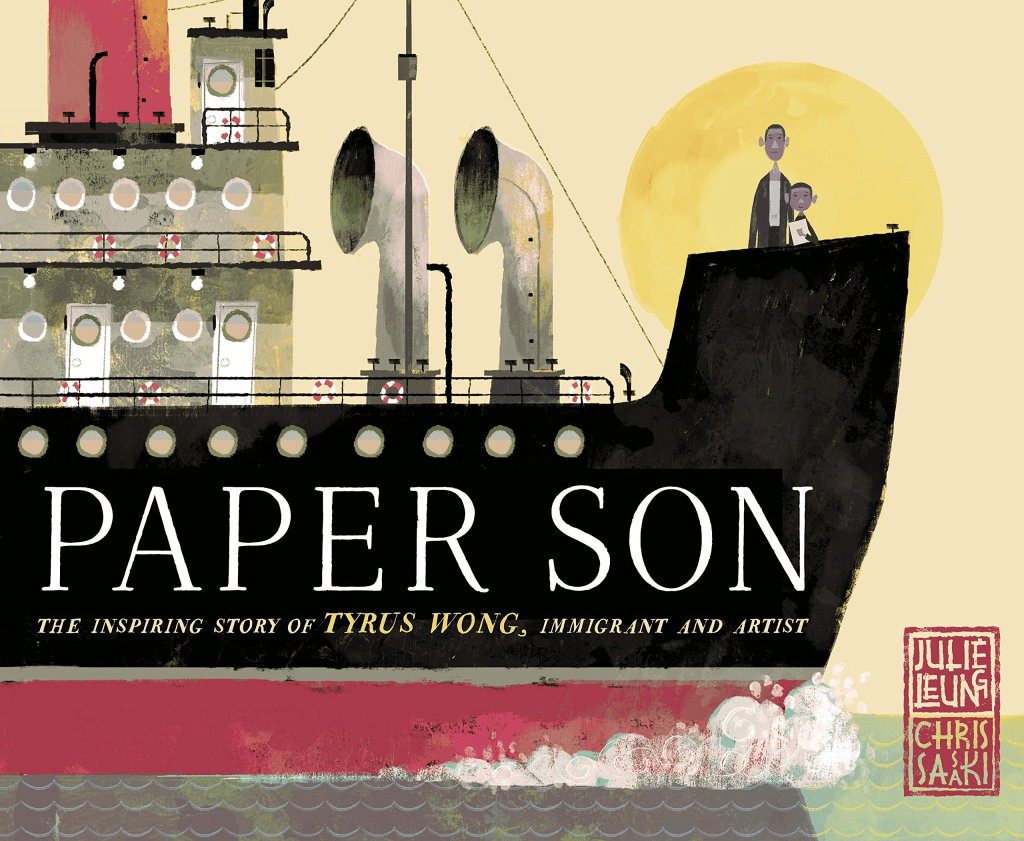
Paper Son: The Inspiring Story of Tyrus Wong, Immigrant and Artist by Julie Leung, illustrated by Chris Sasaki (Schwartz and Wade, 2019, 40 pages). In 1919, Wong Geng Yeo immigrated from China to the U.S. as a “paper son,” using false papers to create an identity that would allow him into the country. His new name was Tai Yow, which was Americanized to Tyrus. He worked hard to learn art and wound up at Disney studios, where he used his knowledge of Chinese art to help create backgrounds for Bambi. Although his work was a key to the film, he was only credited as a background artist.
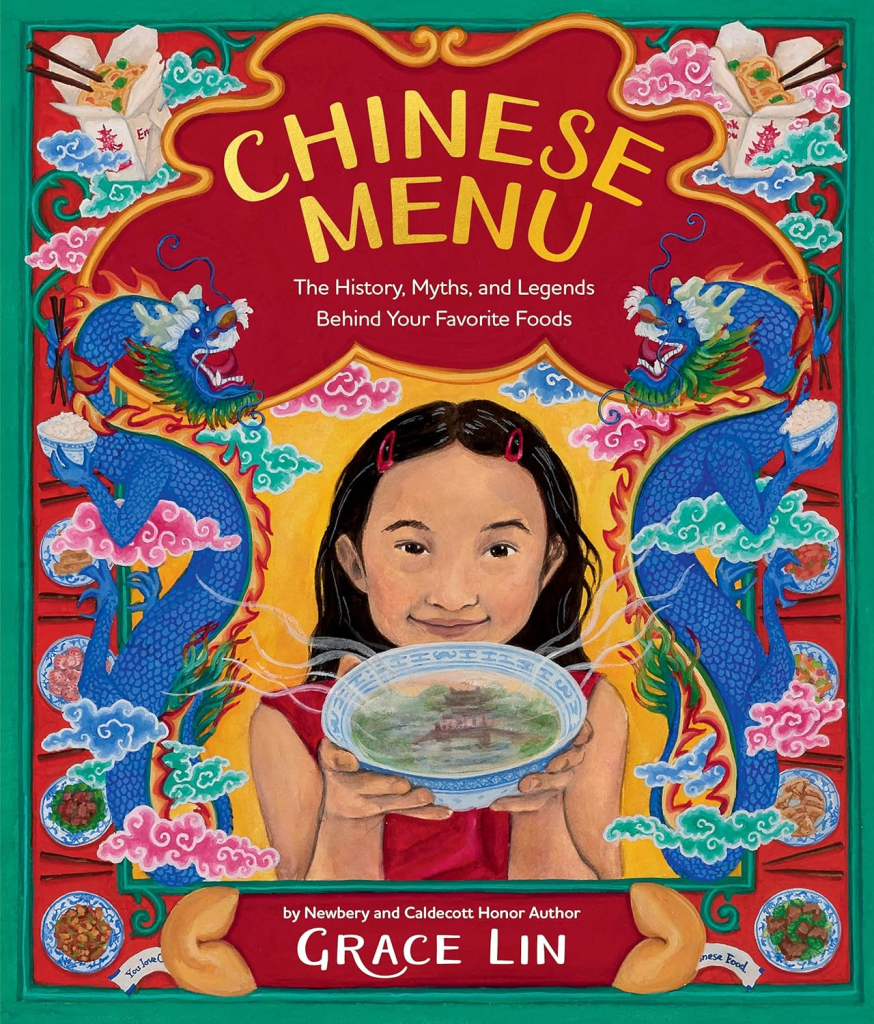
Chinese Menu: The History, Myths, and Legends Behind Your Favorite Foods by Grace Lin (Little, Brown Books for Young Readers, 2023, 288 pages). This history of foods from a Chinese menu is filled with facts, personal anecdotes, and folklore. The author’s note tells about the difficult history of Chinese immigrants in the U.S. and how their cuisine has sustained them and been adapted to American tastes.
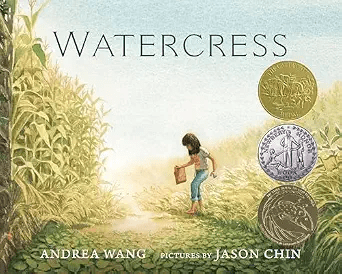
Watercress by Andrea Wang, illustrated by Jason Chin (Neal Porter Books, 2021, 32 pages). The narrator is angry when her parents stop to gather watercress by the side of the road, and back at home, she refuses to eat it. Her mother gently relates the story of famine in China that brought her family to the U.S. when she was young. Includes an author’s note about the challenges of growing up in an immigrant family and understanding the choices of parents who have had experiences that can be hard to understand.
E Is for Ellis Island and L Is for Lady Liberty
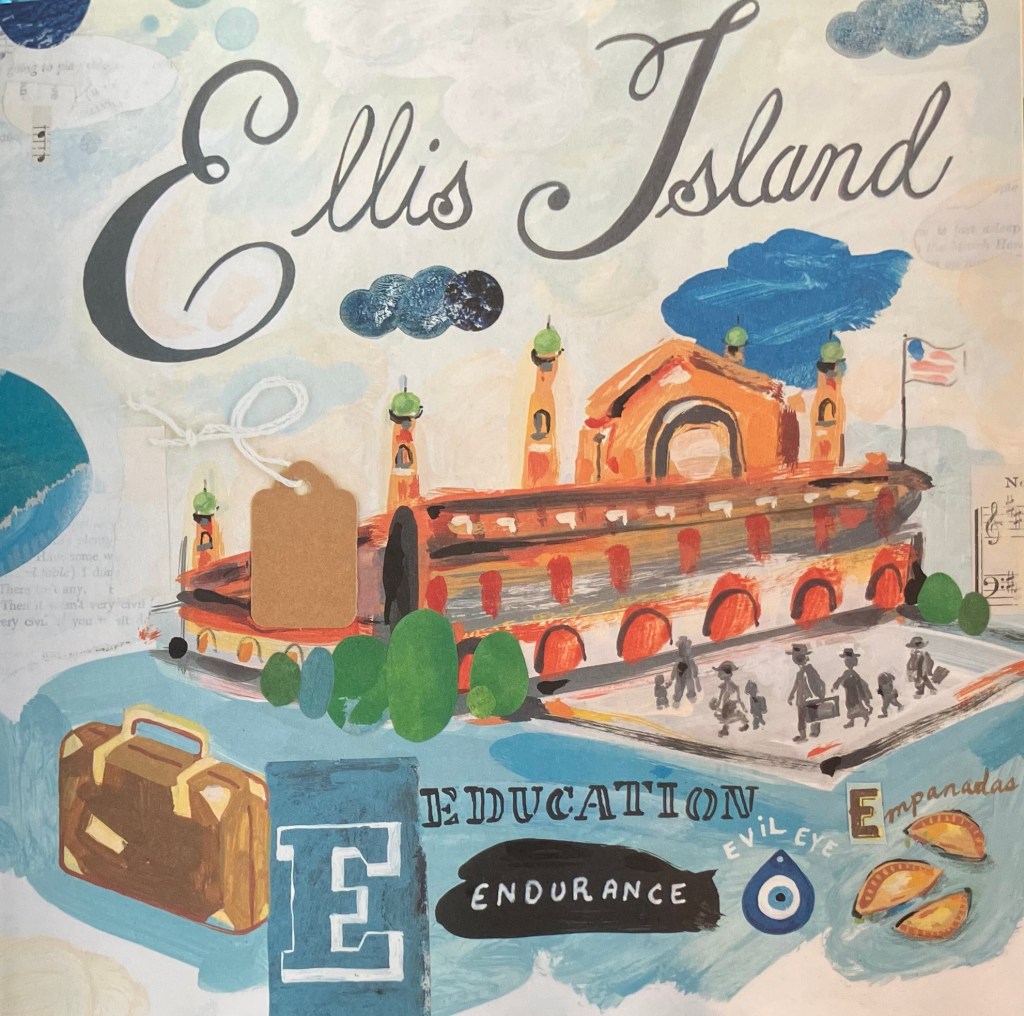
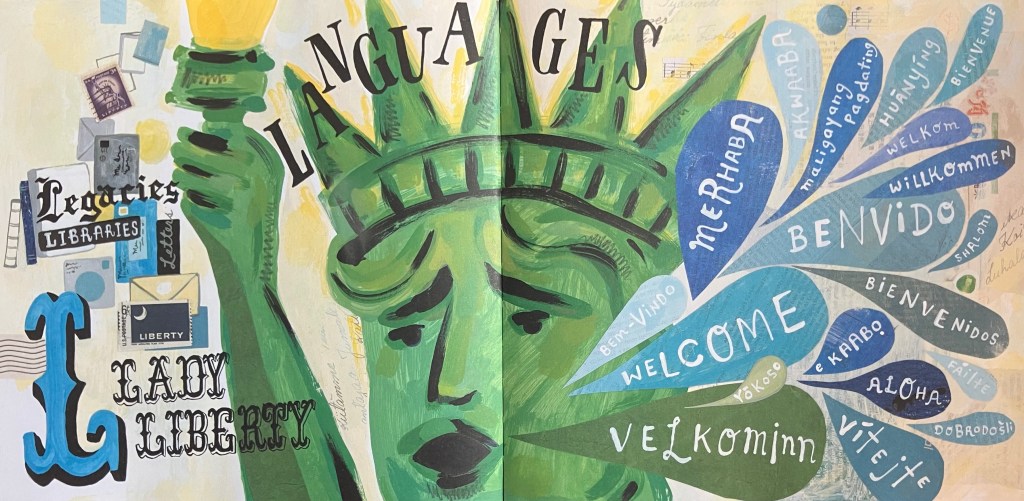
My daughter lives in Manhattan, and she joined me for a Saturday trip to Ellis Island. I would advise against going on a Saturday in July as we did. We lucked out on the weather, but waiting in line for the ferry under a late morning sun was not much fun–although it may have given us a taste of what it was like arriving at Ellis Island. The same ferry takes you to both the Statue of Liberty and Ellis Island, but we opted for Ellis Island only.
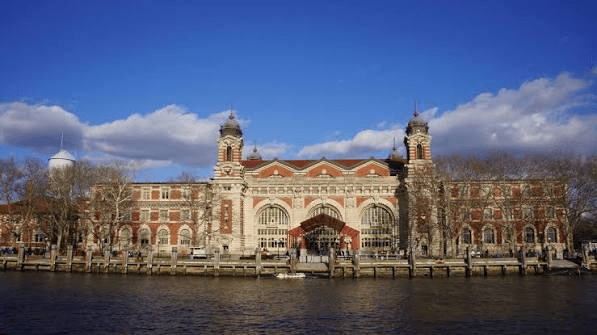
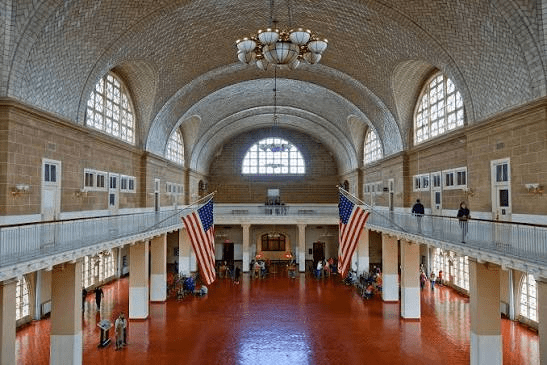
It took us a few minutes to get our bearings, and we both felt the signage could have been improved upon, but we really hit our groove on the second floor, where the exhibits took us step by step through the process that immigrants experienced when they arrived at Ellis Island. Everyone had to go through questioning and a medical exam, after which most were free to go on to America. Some had to stay for longer to receive medical treatment, and about 2% were sent back to their country of origin. Compared to today’s reports from the southern borders, it seemed remarkably humane.
Books to read about the Statue of Liberty and Ellis Island
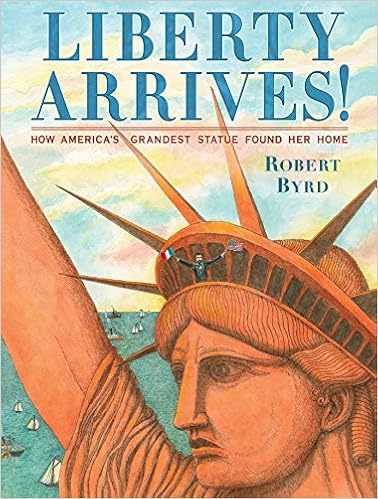
Liberty Arrives! How America’s Grandest Statue Found Her Home by Robert Byrd (Dial Books, 2019, 40 pages). This oversized book offers a wealth of fascinating, engagingly written information about the origins of the Statue of Liberty, all illustrated with Robert Byrd’s detailed watercolors.
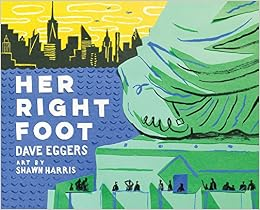
Her Right Foot by Dave Eggers, illustrated by Shawn Harris (Chronicle Books, 2017, 104 pages). The author relates some quirky details about different parts of the statue, then focuses on one specific part: her right foot, which is lifted as though she is walking away. Where is she going? He concludes that she is an immigrant, like all the other immigrants she has welcomed over the years. This lengthy picture books offers plenty of food for thought about American history and immigration. I thought of it and noticed the right foot as we were sailing past it.
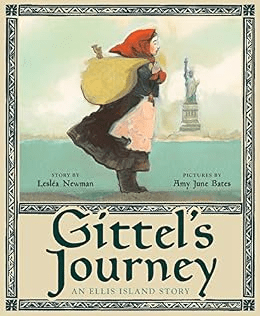
Gittel’s Journey: An Ellis Island Story by Lesléa Newman, illustrated by Amy June Bates (Abrams Books for Young Readers, 2019, 48 pages). Based on a true story, this book tells about Gittel’s journey from Russia to America by way of Ellis Island. She endures one hardship after another but is finally united with her cousin in New York. Readers will learn about the immigration process at Ellis Island in the early 20th century.
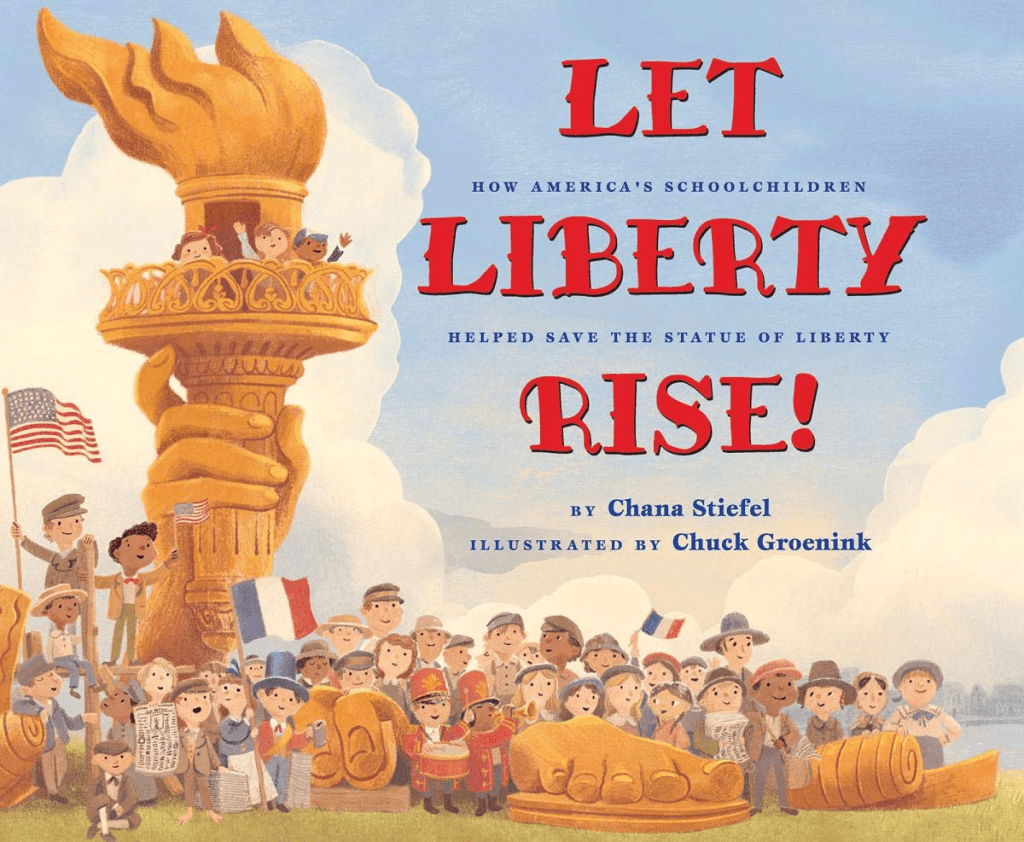
Let Liberty Rise! How America’s Schoolchildren Helped Save the Statue of Liberty by Chana Stiefel, illustrated by Chuck Groenink (Scholastic, 2021, 40 pages). The story of Joseph Pulitzer’s 1885 fundraising campaign that led to 120,000 donors contribute the $100,000 that was needed to complete the pedestal for the Statue of Liberty.
I Is for Immigrants
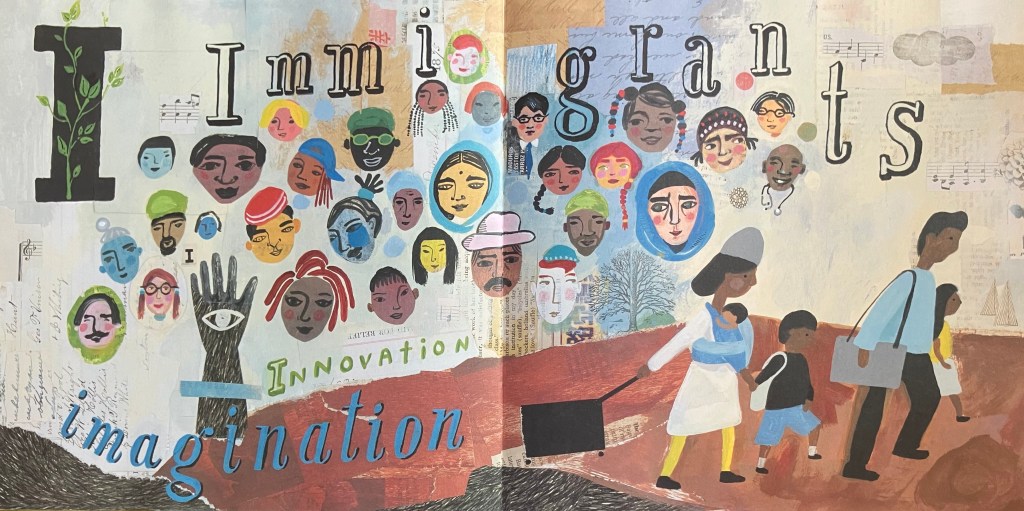
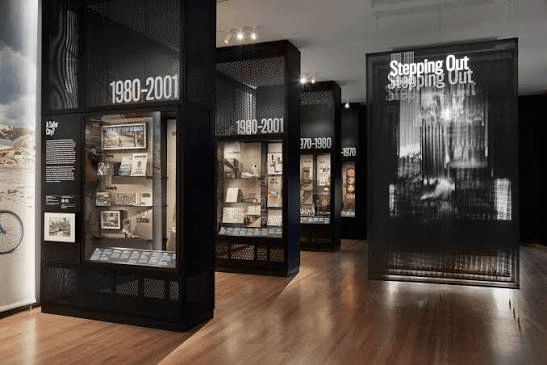
I returned to the Museum of the City of New York for the second year and once again enjoyed the 28-minute film Timescapes that’s shown every 40 minutes throughout the day, which takes you on a whirlwind tour of the history of the city. Their exhibit New York at Its Core is a good supplement with panels that explain different eras in the city’s history. While neither of these is explicitly about immigration, it’s such a big part of New York’s history that there’s plenty of information about it in both the film and the exhibit.
Books to read about immigration
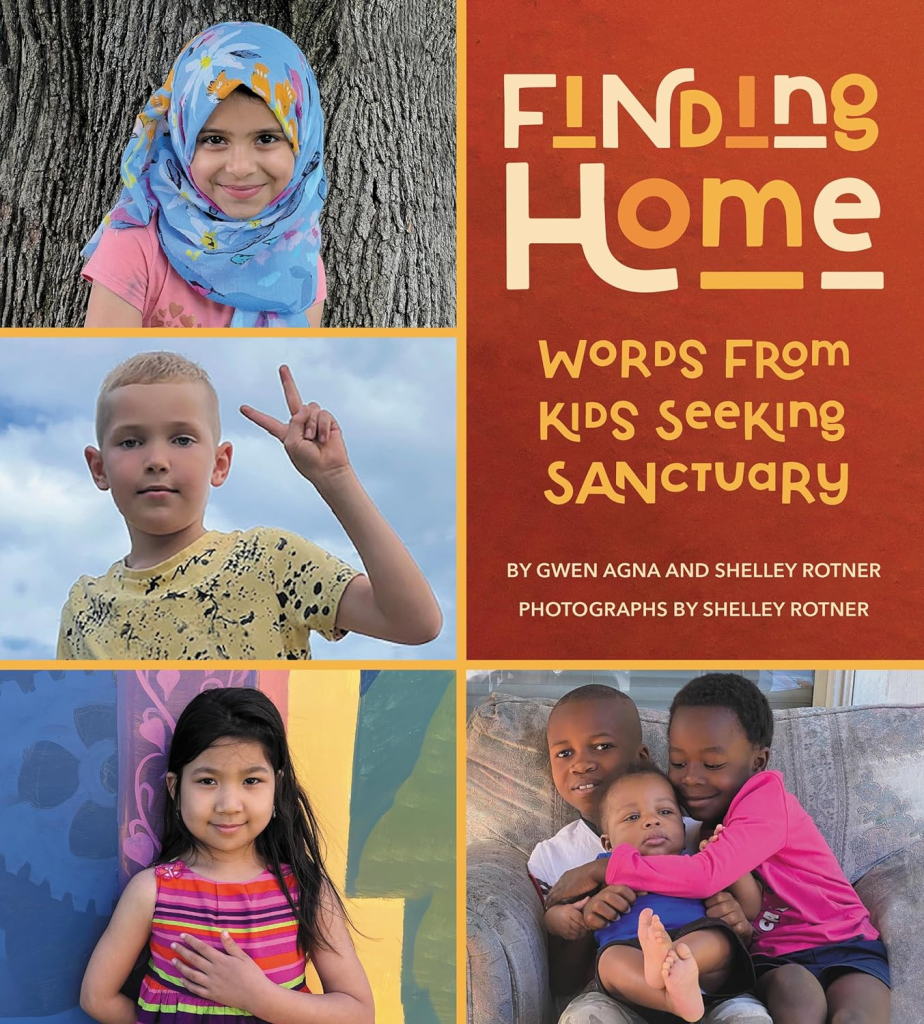
Finding Home: Words from Kids Seeking Sanctuary by Gwen Agna and Shelley Rotner, photographed by Shelley Rotner (Clarion Books, 32 pages, 2024). A look at immigration today, with photos of kids and their own descriptions of what their experiences have been. Includes resources for parents, caregivers, and educators about making kids feel welcome.
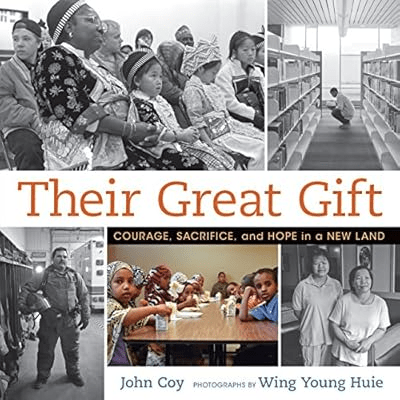
Their Great Gift: Courage, Sacrifice, and Hope in a New Land by John Coy, photographs by Wing Young Huie (Carolrhoda Books, 2016, 32 pages). The text is very brief, almost like a poem, but, combined with the compelling photos of contemporary people who have recently immigrated to the U.S., this would make an excellent introduction to immigration and could spark some interesting discussions.
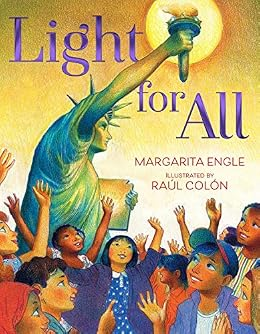
Light for All by Margarita Engle, illustrated by Raúl Colón (Simon and Schuster/Paula Wiseman Books, 2021, 40 pages). Another poetic text introducing immigration, illustrated by Pura Belpré Award winner Raúl Colón. This one talks about some of the hard truths that America has often been unwelcoming to immigrants, which is even more evident now than when this book was published in 2021.
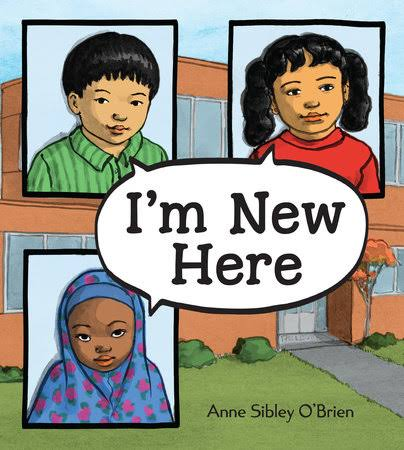
I’m New Here by Anne Sibley O’Brien (Charlesbridge, 2018, 32). Three children who have just arrived in America tell their stories about learning a new language, going to school for the first time, and ultimately, finding new friends. The companion, Someone New (2021), is told from the perspective of kids welcoming the newcomers to their schools.
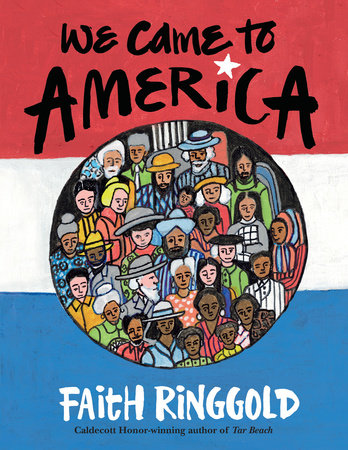
We Came to America by Faith Ringgold (Alfred A. Knopf, 2016, 32 pages). Yet another illustrated poem by renowned artist Faith Ringgold that is a good introduction to immigration for primary grades.
T Is for Tenements
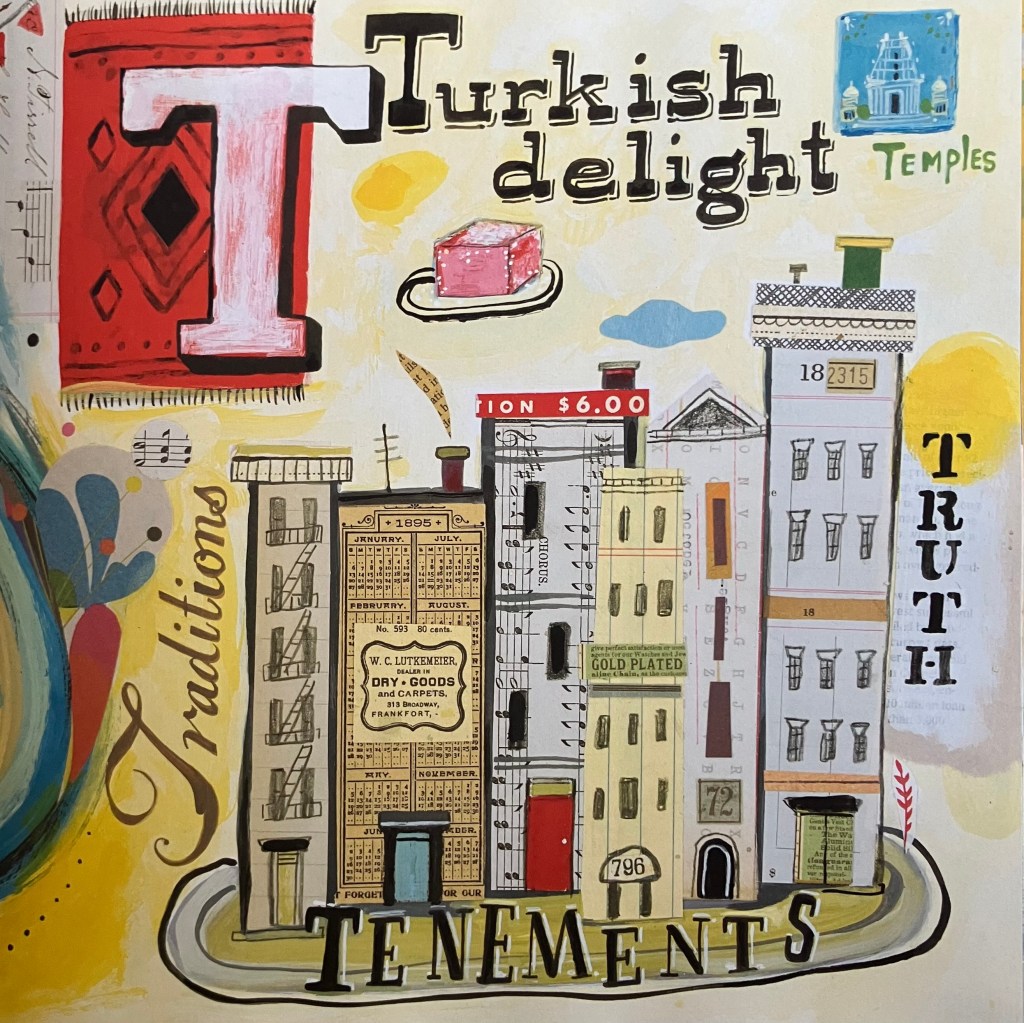
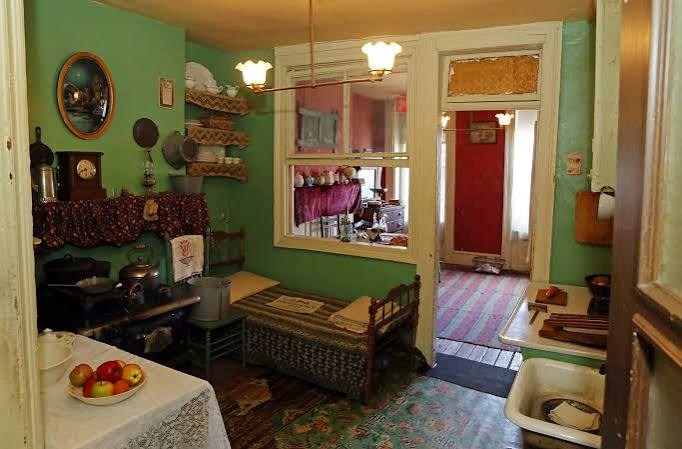
Although it’s at the bottom of the alphabetical list, the New York City tenements were the first place I explored on this trip with my visit to the Tenement Museum. I’m not generally a big fan of guided tours, but that’s the only way to go through this museum, and I ended up really enjoying it. As I mentioned, we toured apartments from two different eras, and I found it fascinating, especially the Wongs’ apartment, which was in use until 2014. The mother and kids who made their home there are still alive and provided photos and recordings of their lives there. Their story really epitomizes the American dream, as all four children graduated from college and are successful professionals today. You can learn more about their story here.
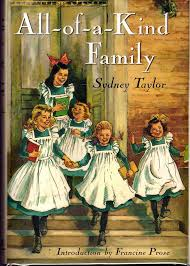
I don’t know of any books specific to the tenements, but any of the ones listed above would be useful to read before and/or after a visit to the Tenement Museum. My introduction to New York City tenement life was through Sydney Taylor’s All-of-a-Kind Family books which are based on her life growing up in a large Jewish family that lived in a tenement in the early 1900’s. Although the first three books (which are the best ones, in my opinion) were published in the 1950’s, I think they have stood the test of time.


